
Starting around age 40, the first signs of facial aging begin to appear: loss of skin fat, sagging, deeper lines around the nose, and a decrease in bone volume.
To counter these changes, facial fillers have become one of the most effective techniques in aesthetic medicine for facial rejuvenation.
However, innovation in this field continues to evolve. In recent years, renowned Brazilian plastic and aesthetic surgeon Dr. Mauricio de Maio has revolutionized the world of injectables with his groundbreaking technique: MD Codes.
What Are MD Codes?
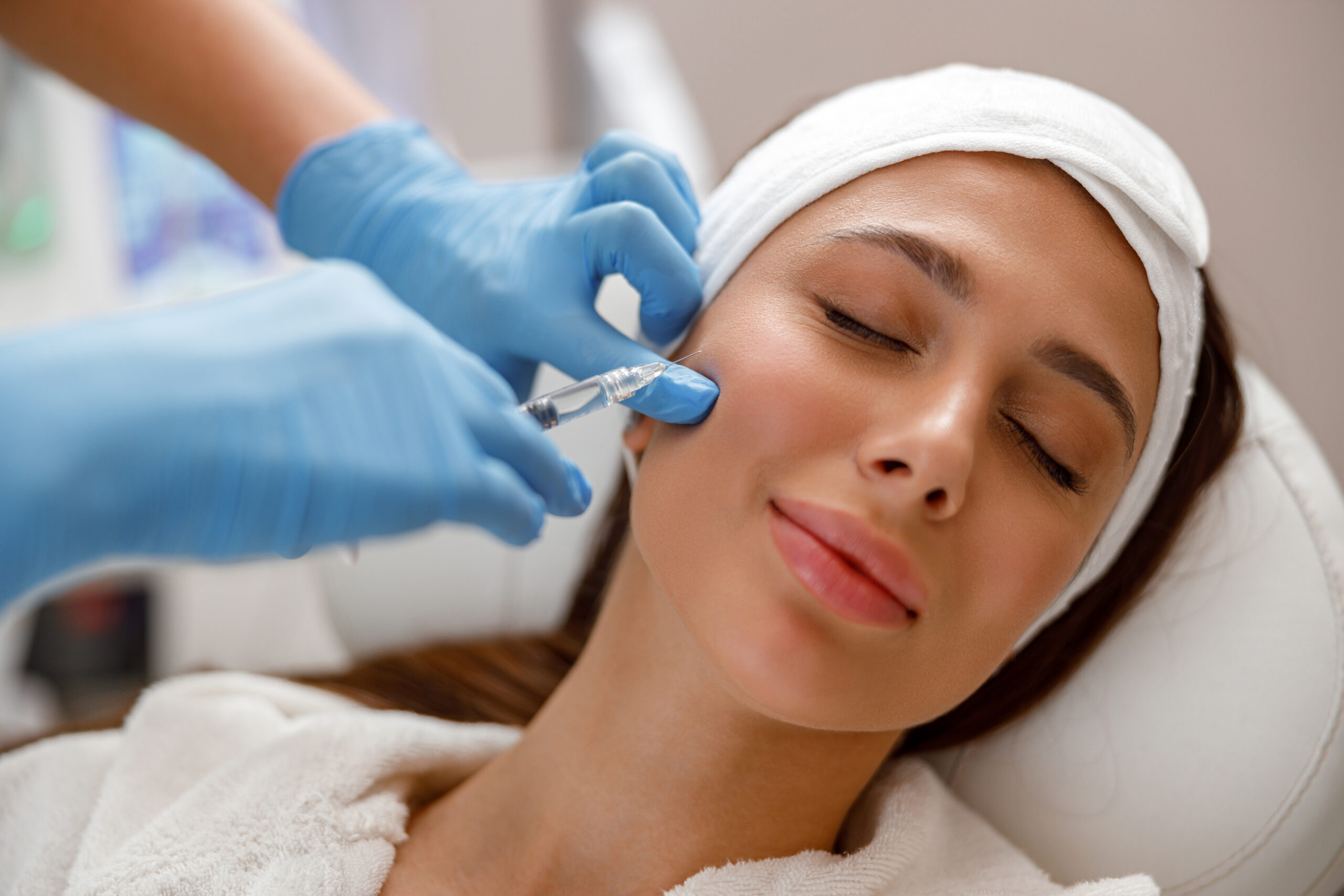
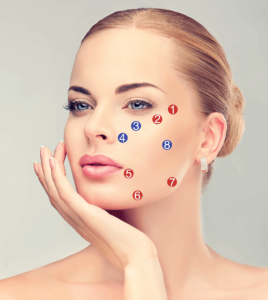
MD Codes (Medical Codes) are a series of strategically mapped injection points that allow hyaluronic acid fillers to be applied to specific areas of the face.
Unlike traditional treatments, the filler is not injected directly into the wrinkle or affected area, but rather at the precise points that cause the problem.
This holistic and personalized approach addresses aging in an integrated way—respecting each patient’s facial structure while achieving natural, balanced, and long-lasting results.
How Does This Technique Work?
The MD Codes protocol takes into account each face’s unique shape and proportions. Instead of simply adding volume, it focuses on lifting, contouring, and restoring harmony to facial features.
Commonly treated areas include the cheeks, lips, chin, and jawline, but the technique identifies up to 75 specific anatomical points across the face to achieve optimal results.
Next-Generation Materials
The fillers used in the MD Codes technique belong to Allergan’s VYCROSS range of hyaluronic acid fillers (including Volift, Volbella, and Voluma).
Each product is designed for a specific purpose — for example, lips require a softer texture, while cheeks benefit from a firmer, longer-lasting gel.
This level of customization ensures safe, natural-looking results tailored to each facial area.
Visible Results with No Downtime
One of the greatest advantages of MD Codes is that it’s a minimally invasive procedure.
After the session, patients can immediately resume their normal activities.
A follow-up appointment is typically scheduled 2 to 3 weeks later to assess results and determine if any touch-ups are needed.
The outcome is quick, subtle, and natural — people will notice you look refreshed and youthful, without realizing you’ve had a treatment.