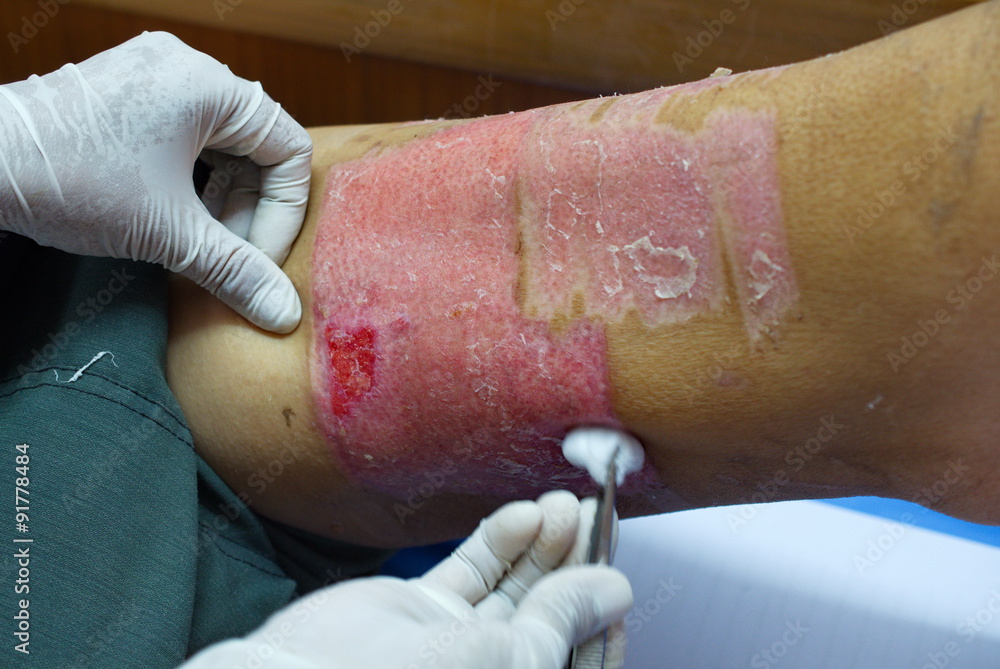
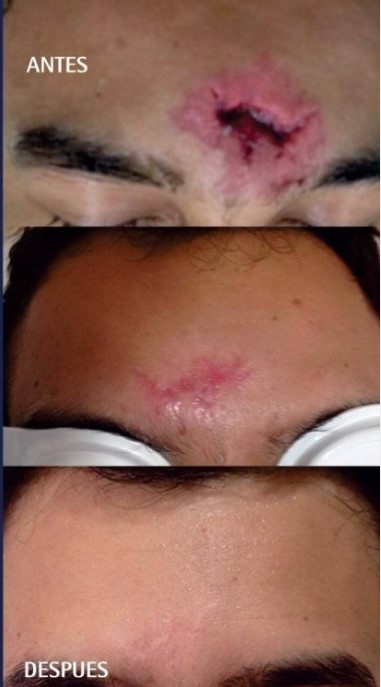
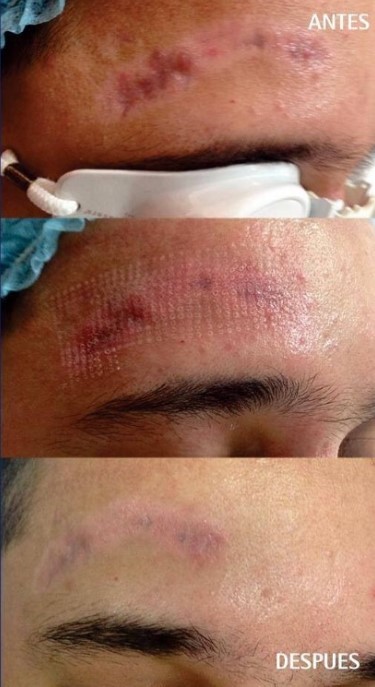
Scars — whether caused by accidents or surgery — are often unpredictable. How a scar heals depends on several factors: your body’s natural healing process, the type and depth of the wound, its size and direction, blood supply to the affected area, skin thickness and color, and the surgeon’s technique.
However, what truly matters is how you feel about the appearance of your scar.
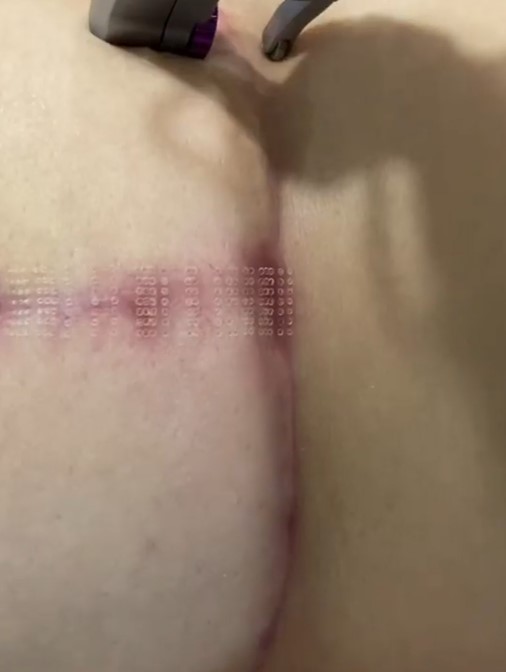
Laser scar treatment is non-invasive and virtually painless. It works by passing a precise laser beam over the scar to target and reduce damage in the outer layers of the epidermis.
This process helps smooth irregularities, stimulate skin regeneration, and gradually fade the scar’s appearance as the superficial skin layers renew.
Depending on the age and depth of the scar, patients typically require five to eight treatment sessions to achieve optimal results.
Recovery
After treatment, patients are advised to use strict sun protection (SPF 50 or higher) and avoid direct sunlight exposure whenever possible.
Following these guidelines helps ensure proper healing and minimizes the risk of skin irritation or pigmentation changes.
Laser scar treatment is non-invasive and virtually painless. It works by passing a precise laser beam over the scar to target and reduce damage in the outer layers of the epidermis.
This process helps smooth irregularities, stimulate skin regeneration, and gradually fade the scar’s appearance as the superficial skin layers renew.
Depending on the age and depth of the scar, patients typically require five to eight treatment sessions to achieve optimal results.
Recovery
After treatment, patients are advised to use strict sun protection (SPF 50 or higher) and avoid direct sunlight exposure whenever possible.
Following these guidelines helps ensure proper healing and minimizes the risk of skin irritation or pigmentation changes.