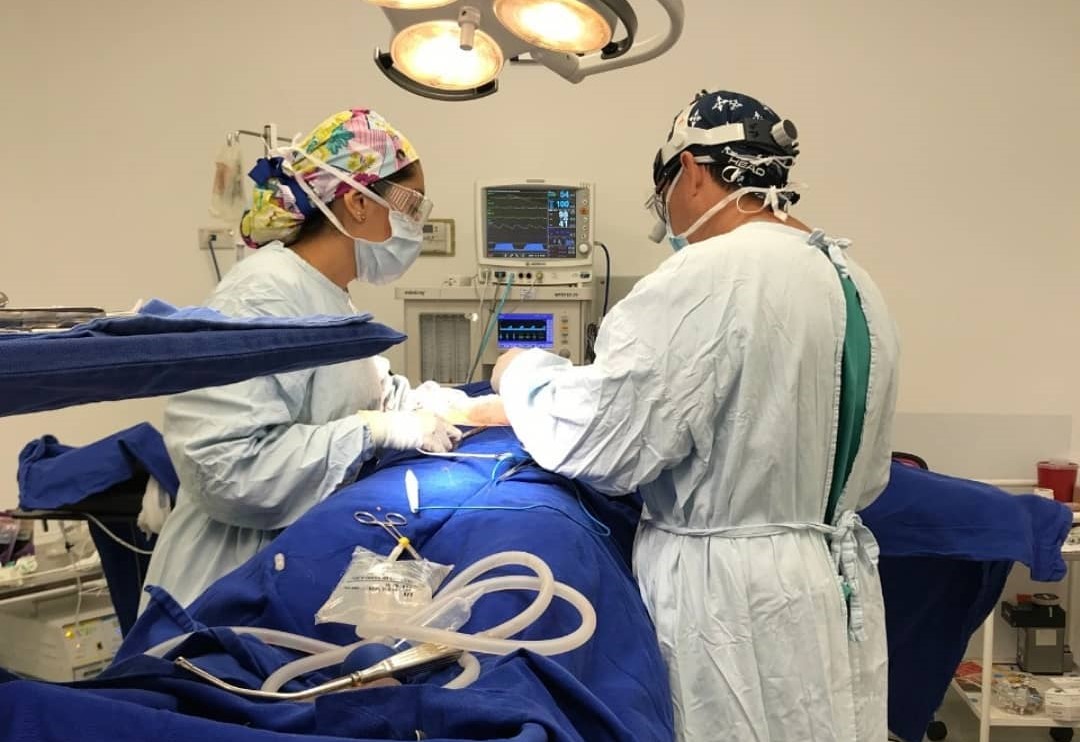
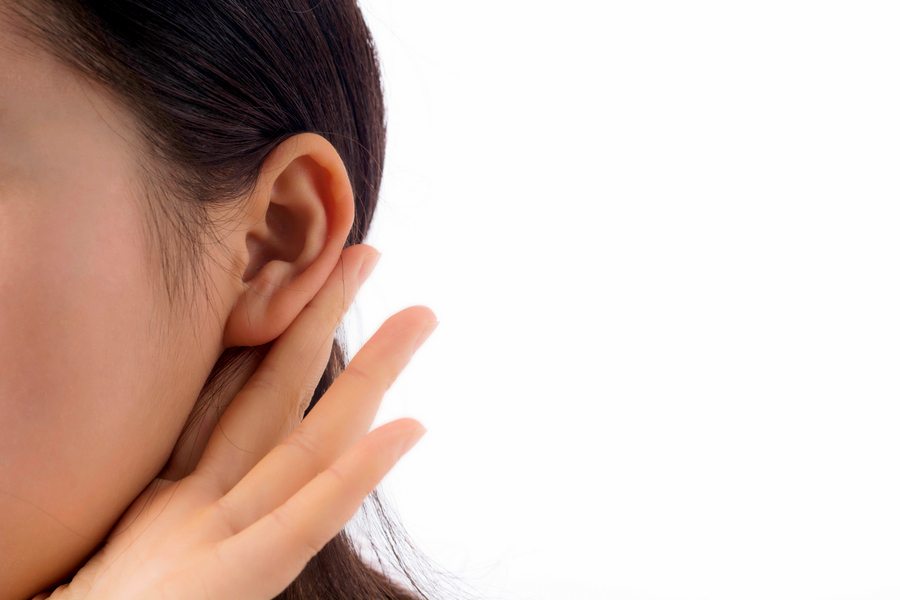
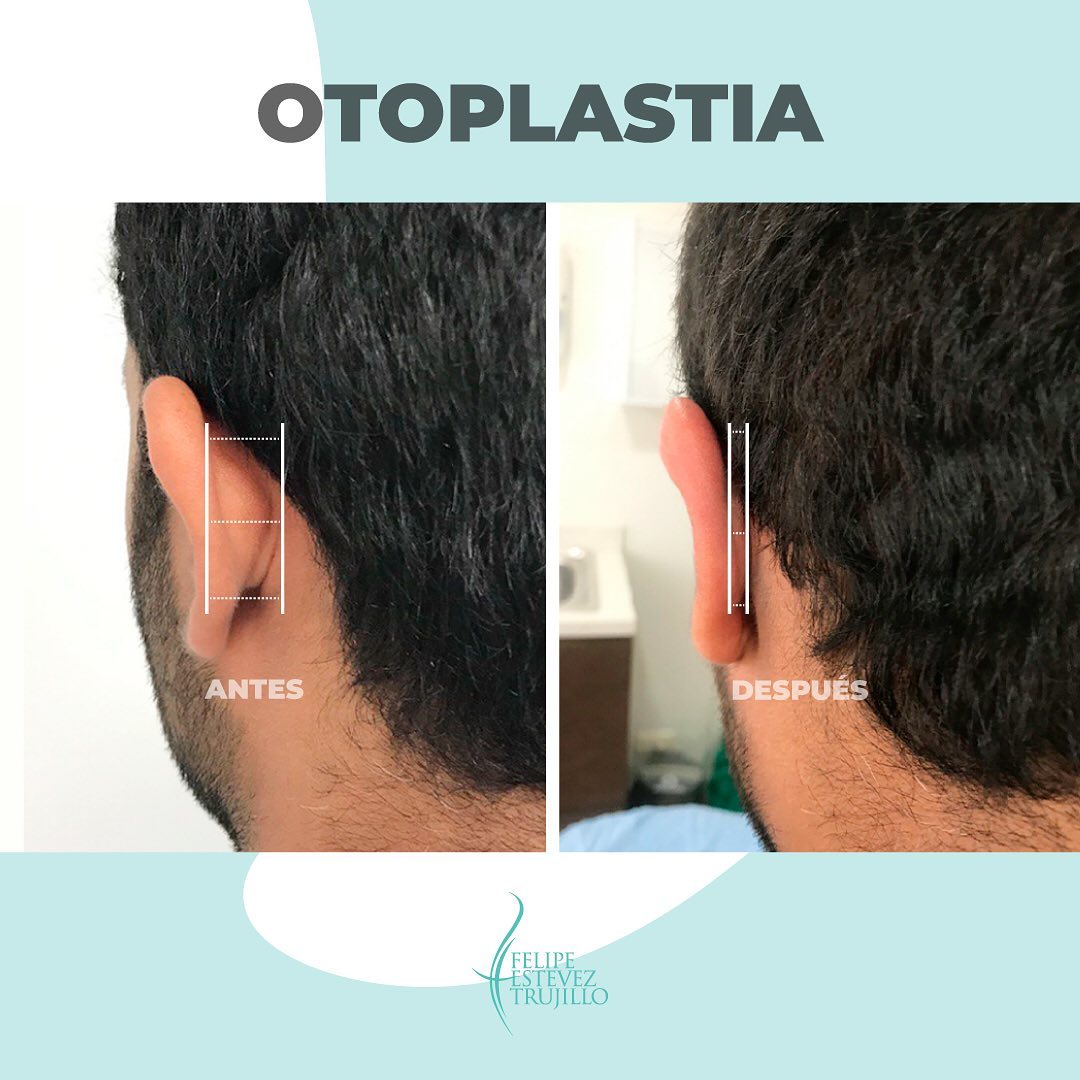
Otoplasty is a cosmetic surgery designed to improve the shape and size of the ears, creating better balance and harmony with the face. This is an outpatient procedure performed under general anesthesia and does not affect hearing in any way.
In most cases, prominent ears are corrected during childhood; however, the surgery can be safely performed at any age with excellent results. For both women and men, improving the appearance of the ears can significantly boost self-esteem and confidence.
One of the key considerations when performing otoplasty is determining the appropriate age for surgery in children.
Although prominent ears are a benign condition, they can lead to emotional distress, behavioral issues, low self-esteem, and long-term body image concerns. Early correction can help prevent these challenges and promote a positive self-image from a young age.
Recovery Process
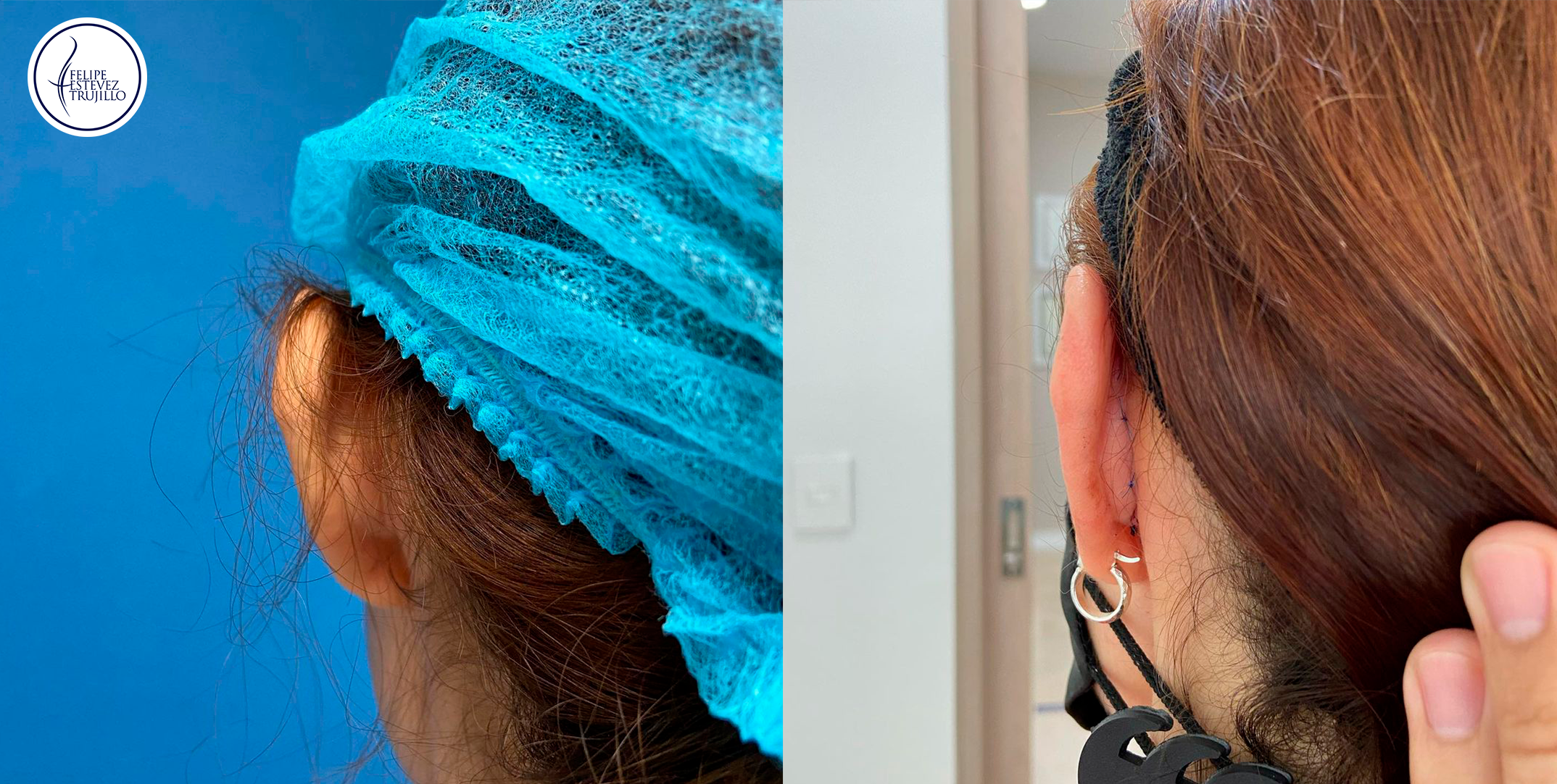
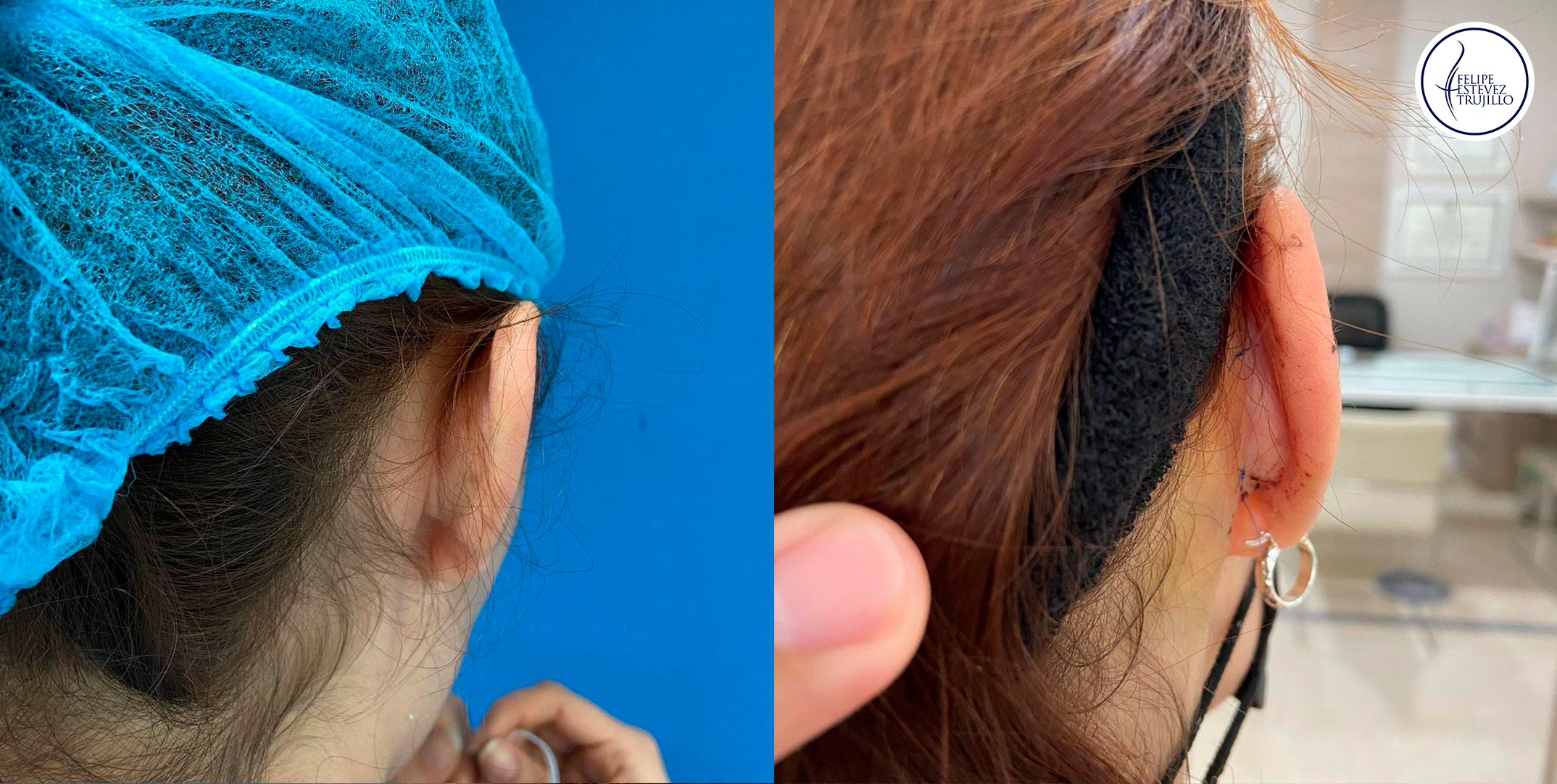
Results are visible immediately, as the ears appear closer to the head right after surgery.
During recovery, a headband must be worn to maintain the new ear position and protect the surgical area from dirt and trauma while healing occurs.
It’s also advisable to avoid excessive heat, which is why many surgeons recommend performing this procedure during cooler months.
Antibiotics, pain relievers, and anti-inflammatory medications are typically prescribed for at least a week, with the first two days being the most uncomfortable part of the recovery process.
One of the key considerations when performing otoplasty is determining the appropriate age for surgery in children.
Although prominent ears are a benign condition, they can lead to emotional distress, behavioral issues, low self-esteem, and long-term body image concerns. Early correction can help prevent these challenges and promote a positive self-image from a young age.
Recovery Process
Results are visible immediately, as the ears appear closer to the head right after surgery.
During recovery, a headband must be worn to maintain the new ear position and protect the surgical area from dirt and trauma while healing occurs.
It’s also advisable to avoid excessive heat, which is why many surgeons recommend performing this procedure during cooler months.
Antibiotics, pain relievers, and anti-inflammatory medications are typically prescribed for at least a week, with the first two days being the most uncomfortable part of the recovery process.