

Over the past few decades, cosmetic surgery has gained remarkable popularity, turning many doctors into celebrities. Both women and men seek surgical procedures to improve their appearance. However, the pursuit of beauty through larger breasts or a slimmer figure comes with significant risks—especially when it involves prohibited techniques such as the injection of biopolymers, which have even led to deaths worldwide.
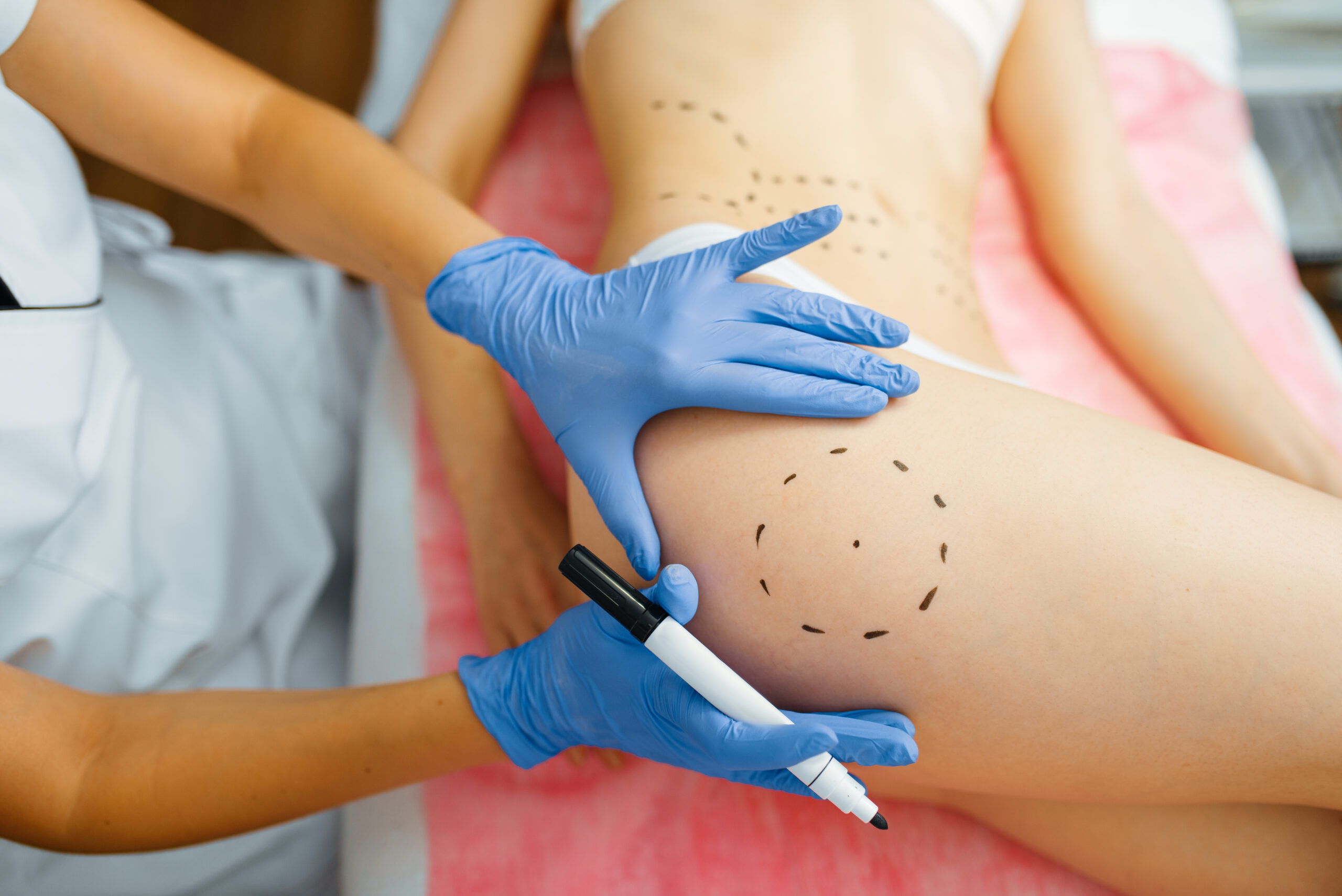
In the quest for the “perfect body,” some people turn to these biopolymers, substances derived from silicone or silica, which are injected to enhance body volume in different areas such as the buttocks, calves, chest, breasts, or face—the most common target zones.
Typically, between two and four years after injection, symptoms begin to appear in around 50% of patients. However, this varies depending on the location of the procedure and the qualifications of the person who performed it. Some patients develop infections almost immediately, while others may remain asymptomatic for years.
It is important to emphasize that this procedure is banned in many countries due to its severe risks. Nevertheless, in some parts of Latin America, it continues to be performed by hairdressers, cosmetologists, estheticians, or even unqualified doctors, who claim to have the necessary “knowledge”—a term that is often questionable—since many inject the substance too deeply, potentially causing myositis (inflammation of the muscles).

The Serious Danger of Biopolymers
The Serious Danger of Biopolymers
The most serious risk occurs when the substance is injected directly into a blood vessel. If the injector accidentally punctures a vessel, the substance can travel through the bloodstream to the lungs, causing a pulmonary embolism—which can result in sudden death, either immediately or within several days after the procedure.
In addition, severe infections can develop when bacteria are introduced into the tissues due to the lack of proper sterilization and aseptic technique during the procedure. This often happens when non-sterile materials are used.
Patients with biopolymer injections may suffer from chronic pain, burning sensations, hardening of the tissue, deformities, loss of sexual function, and inflammatory reactions.
Other common complications include skin darkening or redness, caused by the body’s reaction to a foreign substance. In some cases, the material may migrate to other areas of the body, such as the back, genitals, thighs, calves, ankles, or feet—and in severe cases, the biopolymer may even exit through the skin.
Removal and Recovery
One of the greatest challenges with biopolymers is that they migrate easily, making complete removal extremely difficult. Specialists recommend surgical removal only for patients who experience persistent or severe symptoms. Those with mild discomfort or occasional swelling may instead undergo specialized medical management.

In countries such as the United States, complications occur in only about 1% of patients, largely because higher-quality and regulated materials are used. In contrast, many of the substances injected in Latin America and other regions are of questionable quality, significantly increasing the risks.
Among the surgical removal options is dermolipectomy, a procedure originally designed to remove excess skin or fat from various parts of the body, but now also used to extract biopolymers when possible.
Despite strict regulations and widespread awareness of the dangers, these illegal injections continue to be performed, often under misleading names such as plasma gel or liquid silicone.
Ultimately, biopolymers are more dangerous than cancer—they cause chronic, progressive damage. Therefore, anyone considering any type of cosmetic procedure should always verify the credentials and reputation of the specialist, as well as confirm their membership in the official plastic surgery society of their country.