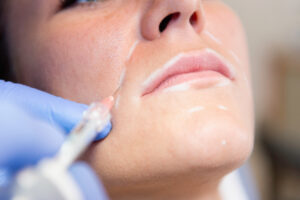

Discover the powerful benefits of hyaluronic acid for skin hydration, anti-aging, and joint health. Learn how it works and how to use it safely.
What Is Hyaluronic Acid?
Hyaluronic acid is a naturally occurring molecule found throughout the human body — especially in the skin, eyes, and joints. Because of its ability to retain large amounts of water, it plays a crucial role in maintaining skin elasticity, joint lubrication, and tissue regeneration.
It belongs to the family of molecules known as glycosaminoglycans (GAGs) and is also known as sodium hyaluronate. Its versatility makes it one of the most popular ingredients in cosmetic treatments and regenerative medicine today.
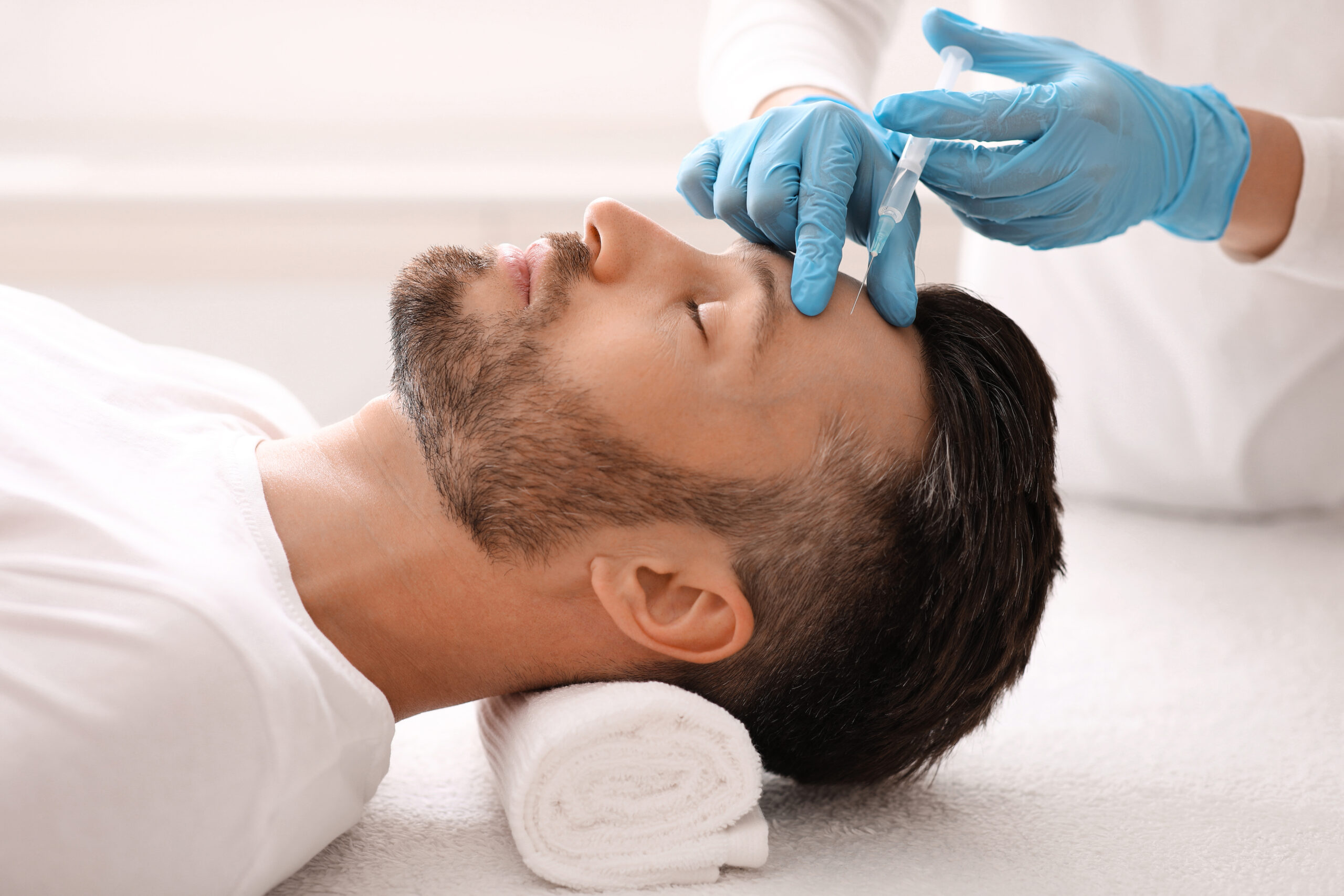
Main Benefits of Hyaluronic Acid
- Deep Hydration: Hyaluronic acid attracts and retains water, helping skin cells stay firm, plump, and elastic. This makes it one of the most effective ingredients for long-lasting hydration.
- Anti-Aging Effects: By promoting cell renewal and supporting collagen production, hyaluronic acid helps reduce wrinkles and fine lines, improving overall skin texture and luminosity.
- Tissue Regeneration: Used in both cosmetic and medical treatments, it promotes tissue repair. Combined with rosehip oil, it can help reduce stretch marks and improve the appearance of scars.
- Antioxidant Protection: It helps neutralize free radicals and protects the skin from sun damage. Many sunscreens now include cross-linked hyaluronic acid to keep the skin healthy and youthful.
- Joint and Cartilage Support: Because it’s a natural component of joint fluid, hyaluronic acid provides lubrication and cushioning, reducing friction and pain — especially in osteoarthritis.

How Hyaluronic Acid Is Used
Hyaluronic acid can be applied in different ways, depending on the treatment goal.
Cosmetic Applications
- Facial care: Helps restore elasticity and firmness, improving hydration and reducing visible signs of aging.
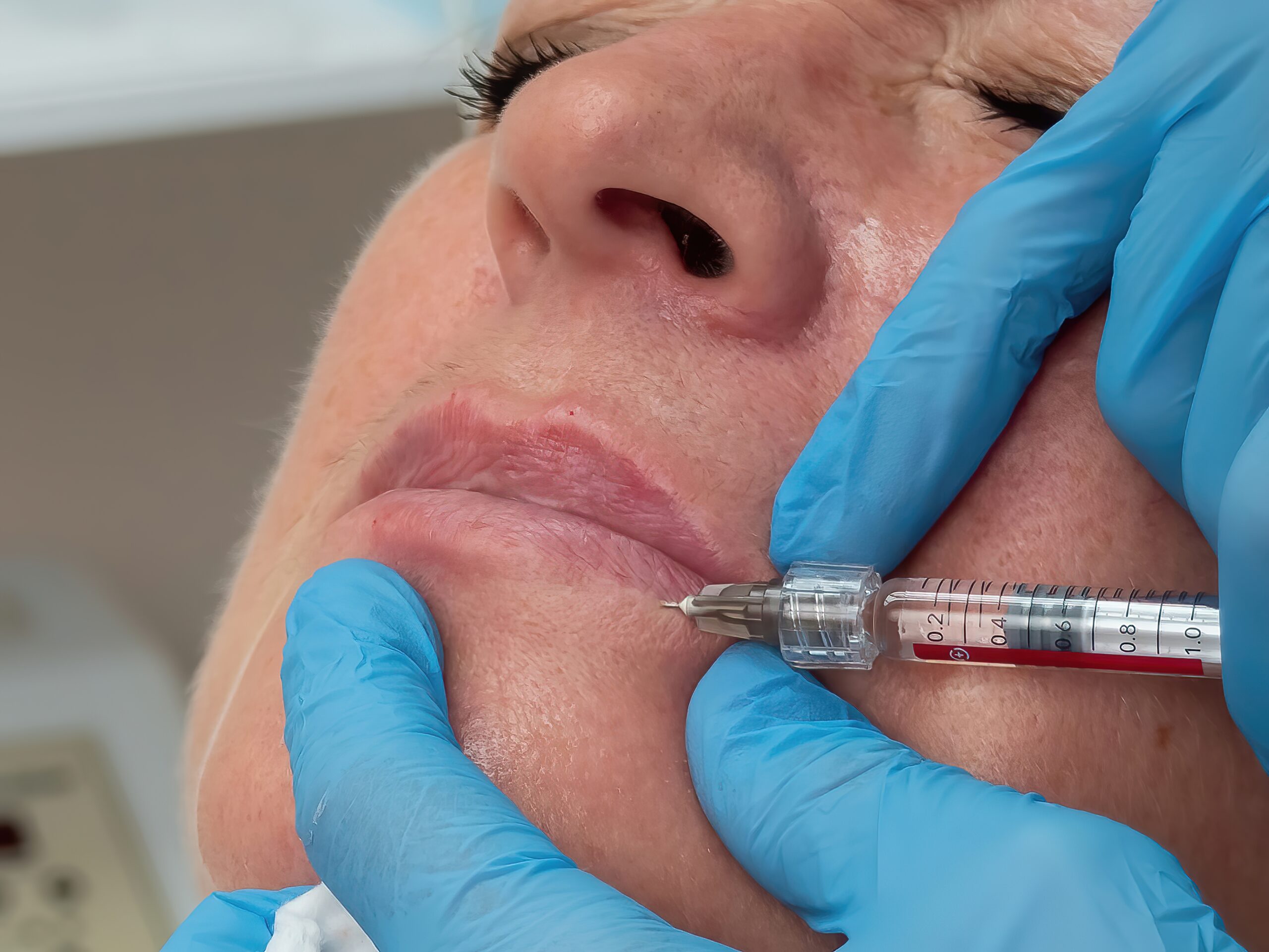
- Lips and contouring: Injected as a filler to enhance lip volume or subtly reshape areas like the nose and buttocks.
- Hair and scalp care: Helps retain moisture, improving hair texture and vitality.
Medical and Regenerative Uses
- Viscosupplementation: In osteoarthritis treatments, hyaluronic acid injections help lubricate and cushion the joints, reducing stiffness and discomfort for up to a year.
- Ophthalmology: Used in eye surgeries, such as cataract procedures, to protect delicate tissues.
- Oral ulcers: Sodium hyaluronate gels may soothe pain and aid healing.
Side Effects and Safety
Hyaluronic acid is generally safe when applied topically or administered by trained professionals.
However, a few points should be considered:
- During pregnancy: Topical use or localized injections are likely safe, but oral supplements are not recommended due to insufficient data.
- During breastfeeding: Avoid injectable treatments until after the lactation period.
- Allergies: Rare, but hypersensitive individuals may experience mild redness or irritation.
The Best Hyaluronic Acid Cosmetic
If you’re looking for a high-quality topical treatment, we recommend Snake Action Plus by Dermohelp — a powerful anti-wrinkle cream that combines hyaluronic acid with snake venom peptides. It delivers a visible lifting effect and smooth, hydrated skin at an excellent value.
We do not recommend oral capsules or tablets, as their absorption is inconsistent and some users report mild side effects.
Final Recommendations
Hyaluronic acid is one of the safest and most effective ingredients in modern aesthetics and regenerative medicine. Whether you choose a topical cream or a professional injectable treatment, it can help restore hydration, elasticity, and youthfulness to your skin — and comfort to your joints.