PLASTIC SURGEON | FELIPE ESTEVEZ M.D


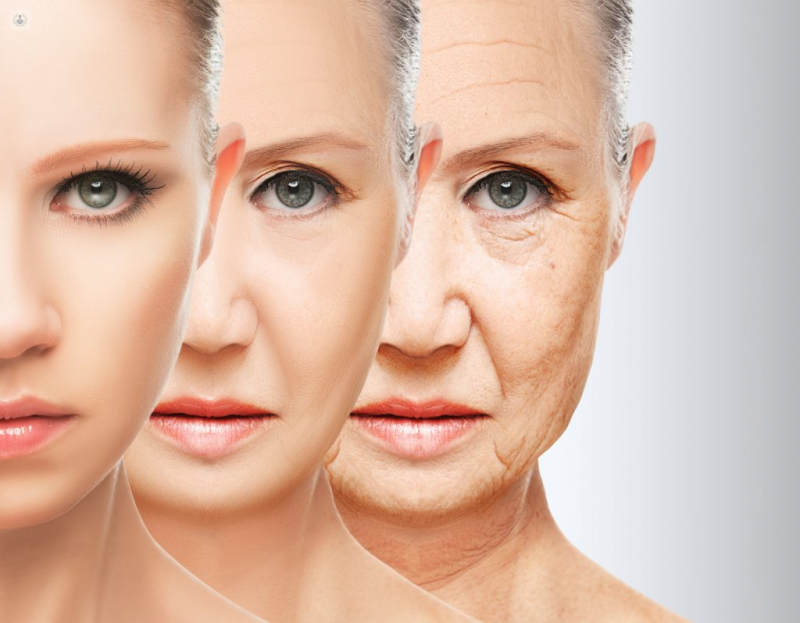
Hyaluronic acid (HA) is a natural component of the skin whose main function is to keep it hydrated, firm, and supple. Over time, the body’s natural production of HA decreases, leading to loss of firmness and elasticity—and with it, the most common signs of aging, such as wrinkles and fine lines.
While topical creams can help improve hydration, they cannot penetrate the deeper layers of the skin, where HA truly makes a difference.
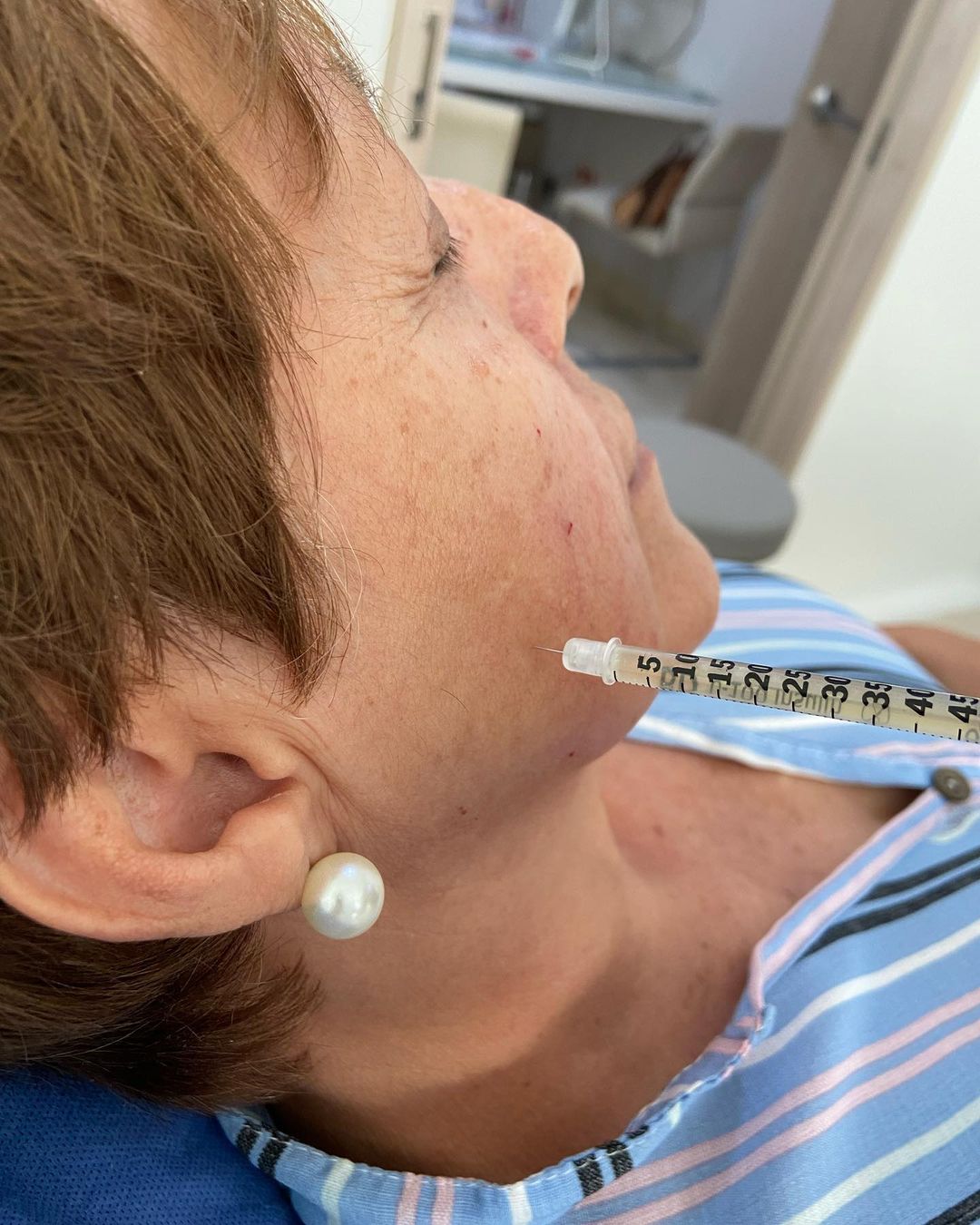
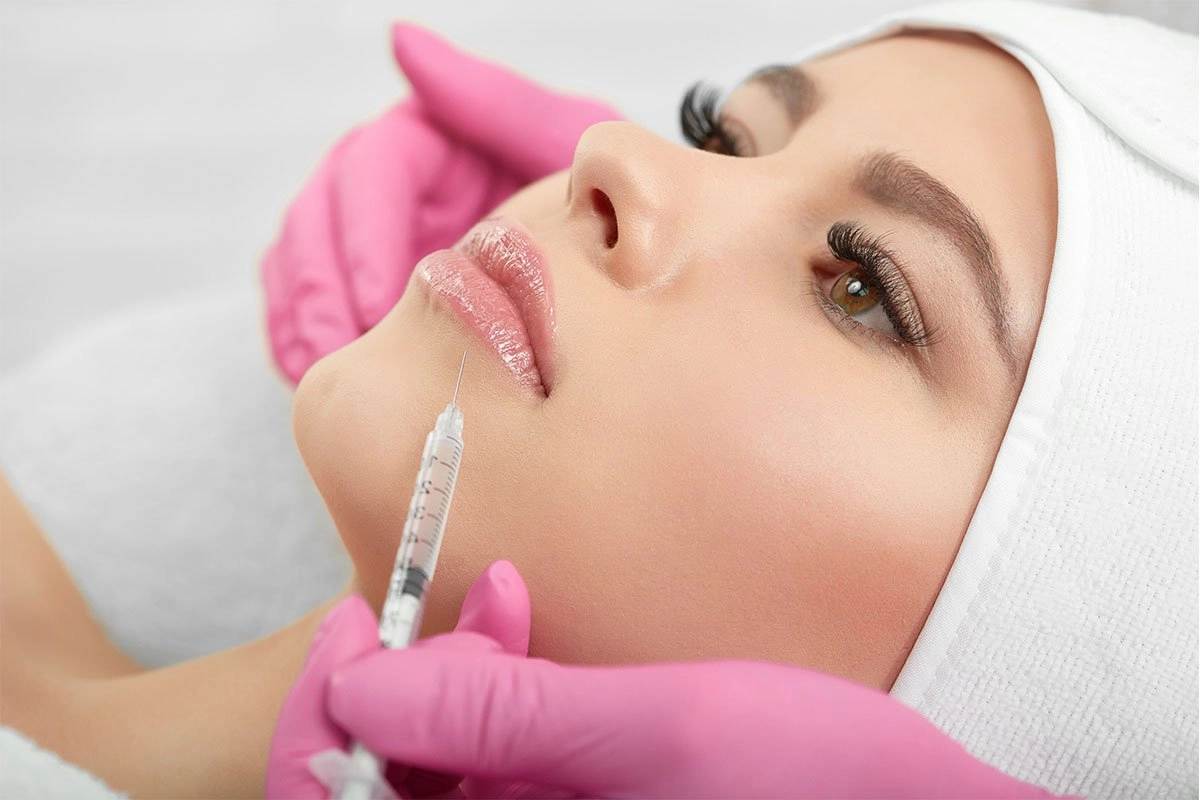
In aesthetic medicine, hyaluronic acid is widely used for wrinkle filling and facial contouring. It works by creating a subtle structure beneath the skin that restores volume and maintains natural facial expressions.
One of its most remarkable properties is its ability to attract and retain water molecules, forming a mesh-like structure that not only smooths deep wrinkles but also deeply hydrates the skin from within.
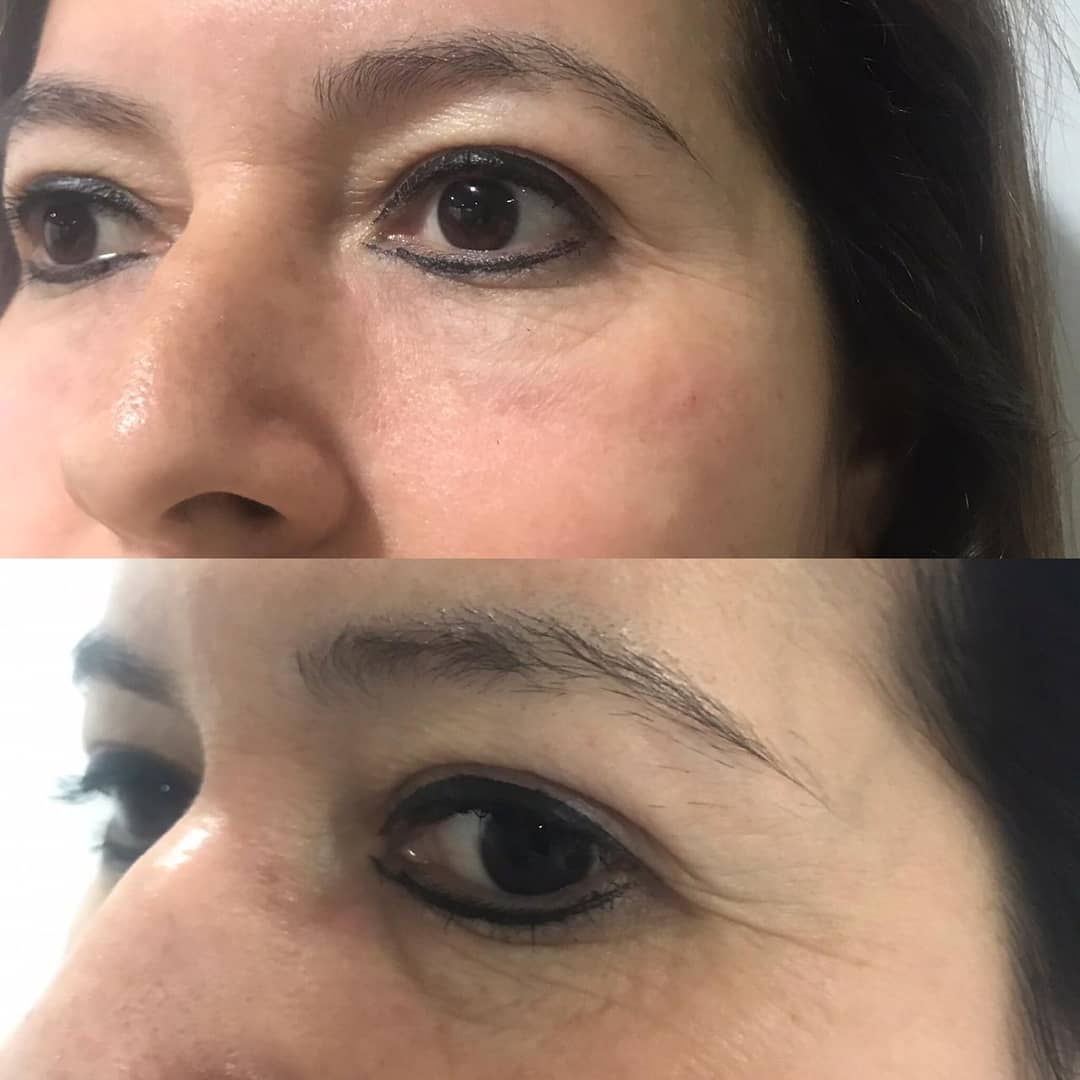
Some of its most popular applications include lip enhancement, under-eye filler, and facial contouring. Results are often immediate and impressive, with noticeable improvement in facial definition and overall skin appearance after just one session.
Hyaluronic acid can also be used for non-surgical rhinoplasty, correcting minor imperfections in the nose without the risks or downtime of surgery.
It’s an excellent option for patients whose nasal irregularities are subtle—such as a small hump on the bridge or a slightly drooping tip. In these cases, HA acts as a precise filler to improve symmetry and achieve a more balanced, natural look.
Of course, in more complex cases, traditional surgery may still be the best solution. However, for minor adjustments, hyaluronic acid offers a safe, quick, and minimally invasive alternative with beautiful, natural-looking results.
In aesthetic medicine, hyaluronic acid is widely used to fill wrinkles and enhance facial contours. It restores volume while maintaining natural expressions.
Its ability to attract and retain water deeply hydrates the skin and smooths wrinkles.
Common applications include lip enhancement, under-eye filler, and facial contouring, with visible, natural results after just one session.
Hyaluronic acid can also be used for non-surgical rhinoplasty, correcting minor imperfections in the nose without the risks or downtime of surgery.
It’s an excellent option for patients whose nasal irregularities are subtle—such as a small hump on the bridge or a slightly drooping tip. In these cases, HA acts as a precise filler to improve symmetry and achieve a more balanced, natural look.
Of course, in more complex cases, traditional surgery may still be the best solution. However, for minor adjustments, hyaluronic acid offers a safe, quick, and minimally invasive alternative with beautiful, natural-looking results.