PLASTIC SURGEON | FELIPE ESTEVEZ M.D


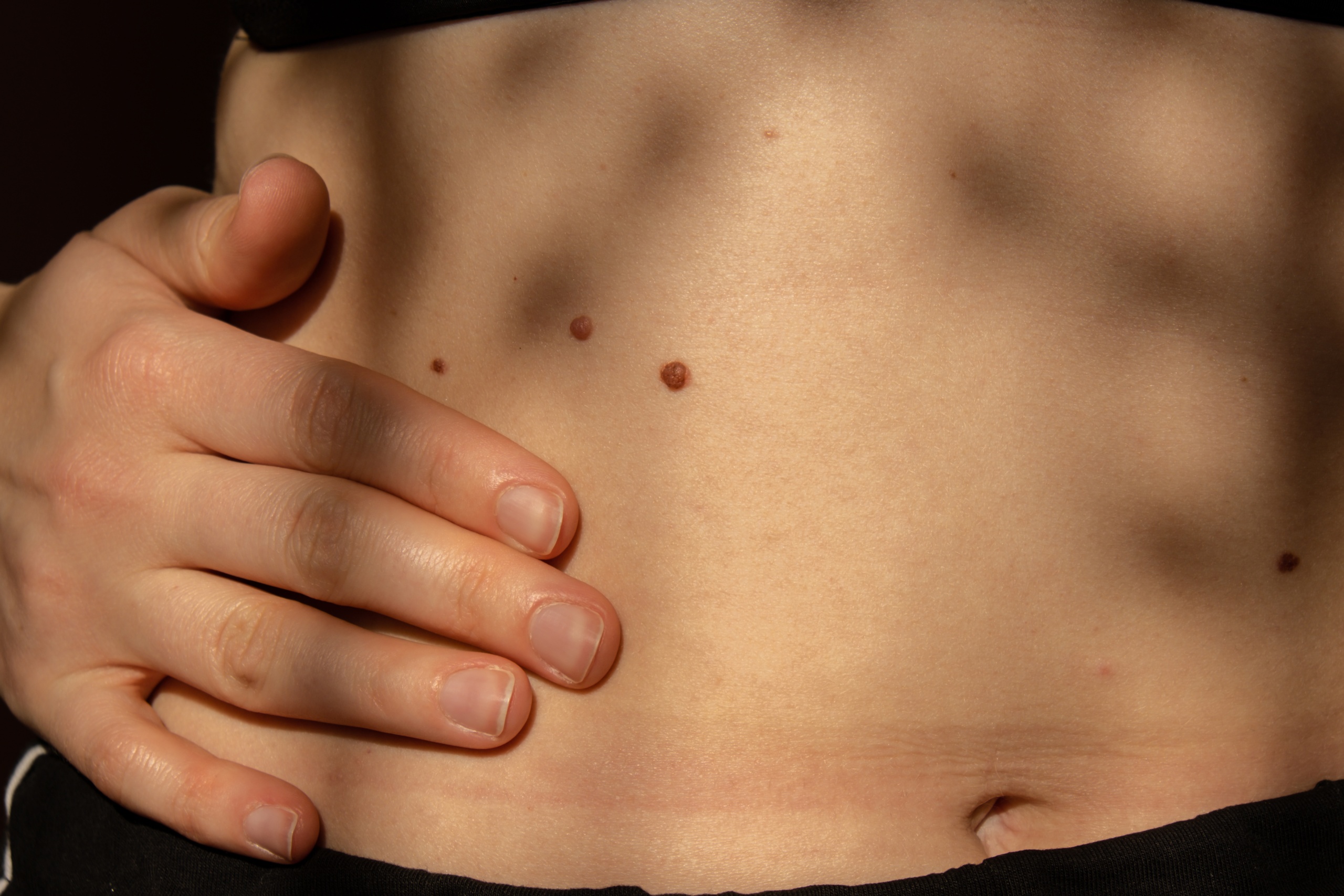
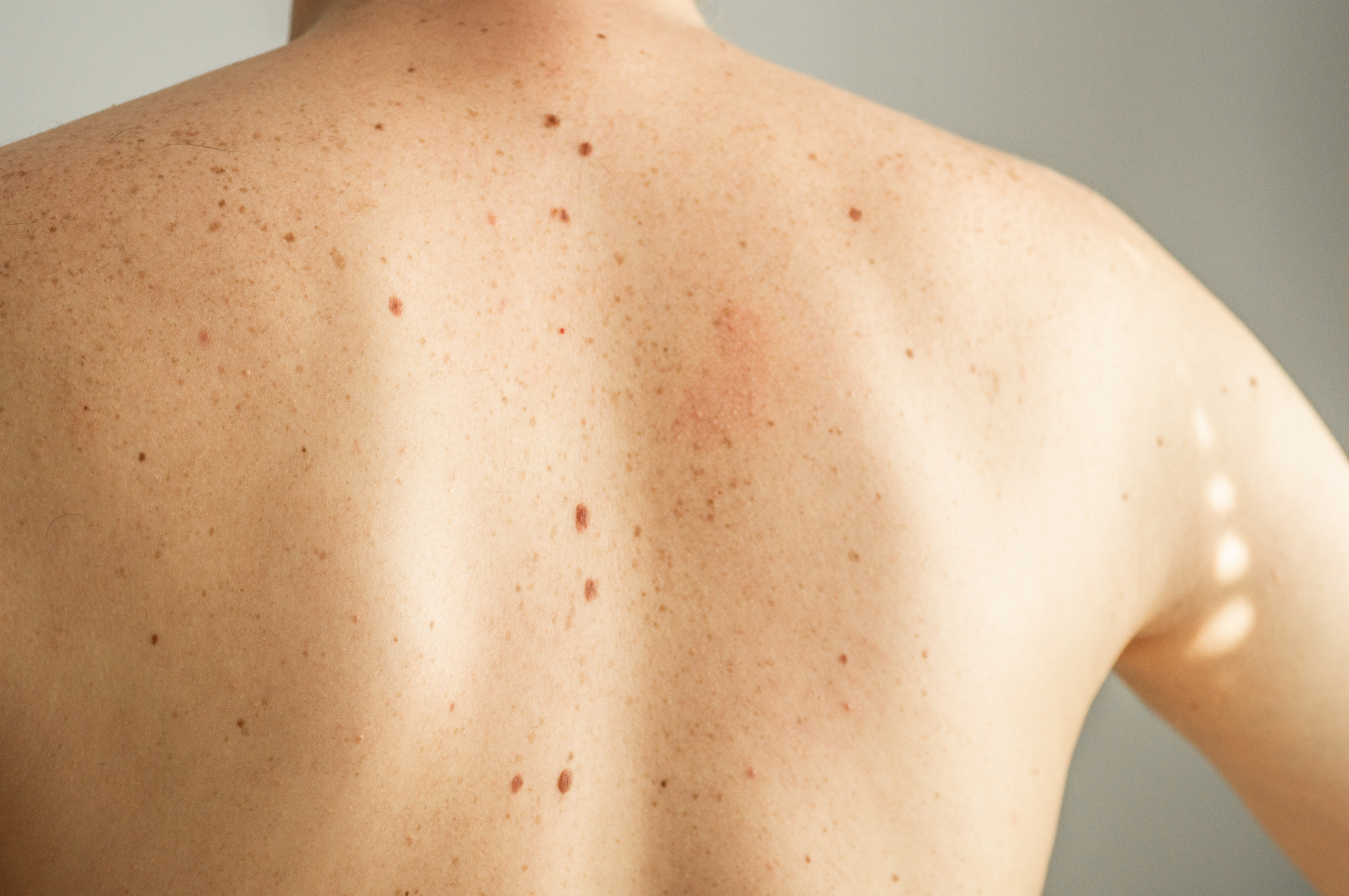
In general, benign skin tumors grow slowly, show little to no change in shape or color, and are not associated with bleeding or pain.
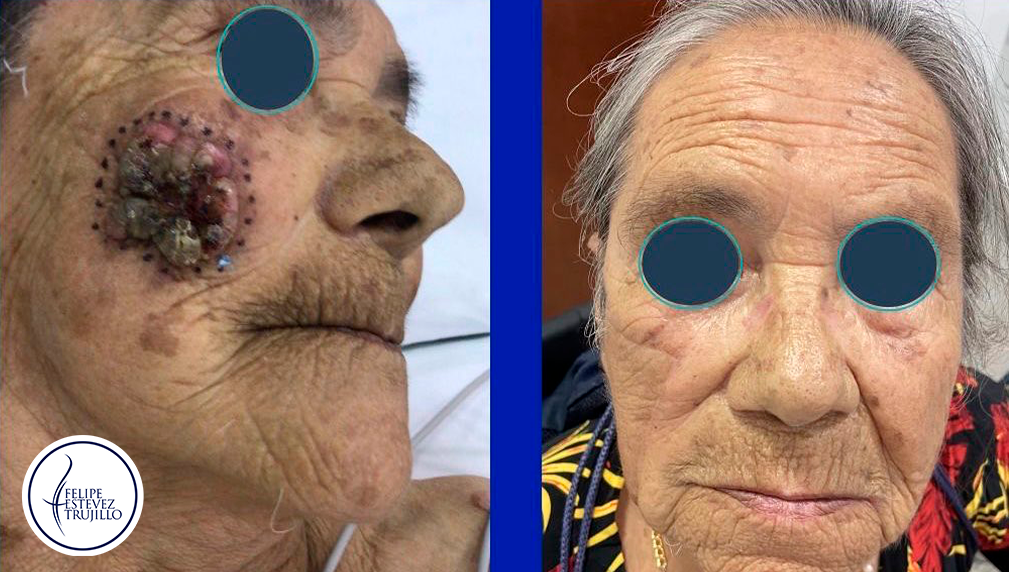
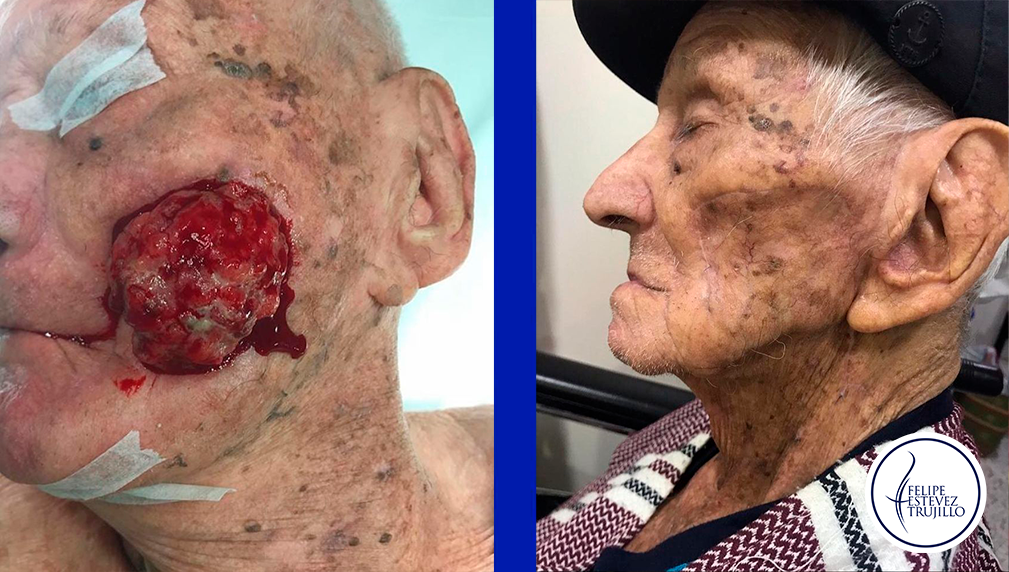
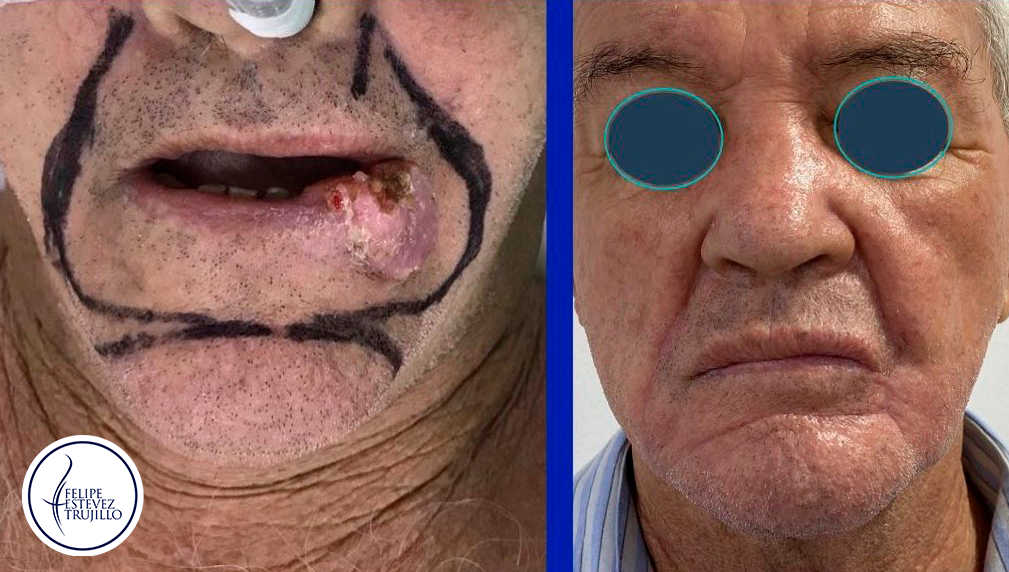
In contrast, skin cancer tends to grow more rapidly, often developing visible blood vessels on the surface that may lead to bleeding. In some cases, the lesions may become ulcerated or form persistent scabs that do not heal.
It is always essential to seek evaluation from a qualified medical specialist and to avoid self-medication or home remedies, as improper treatment can worsen the condition or delay proper care.
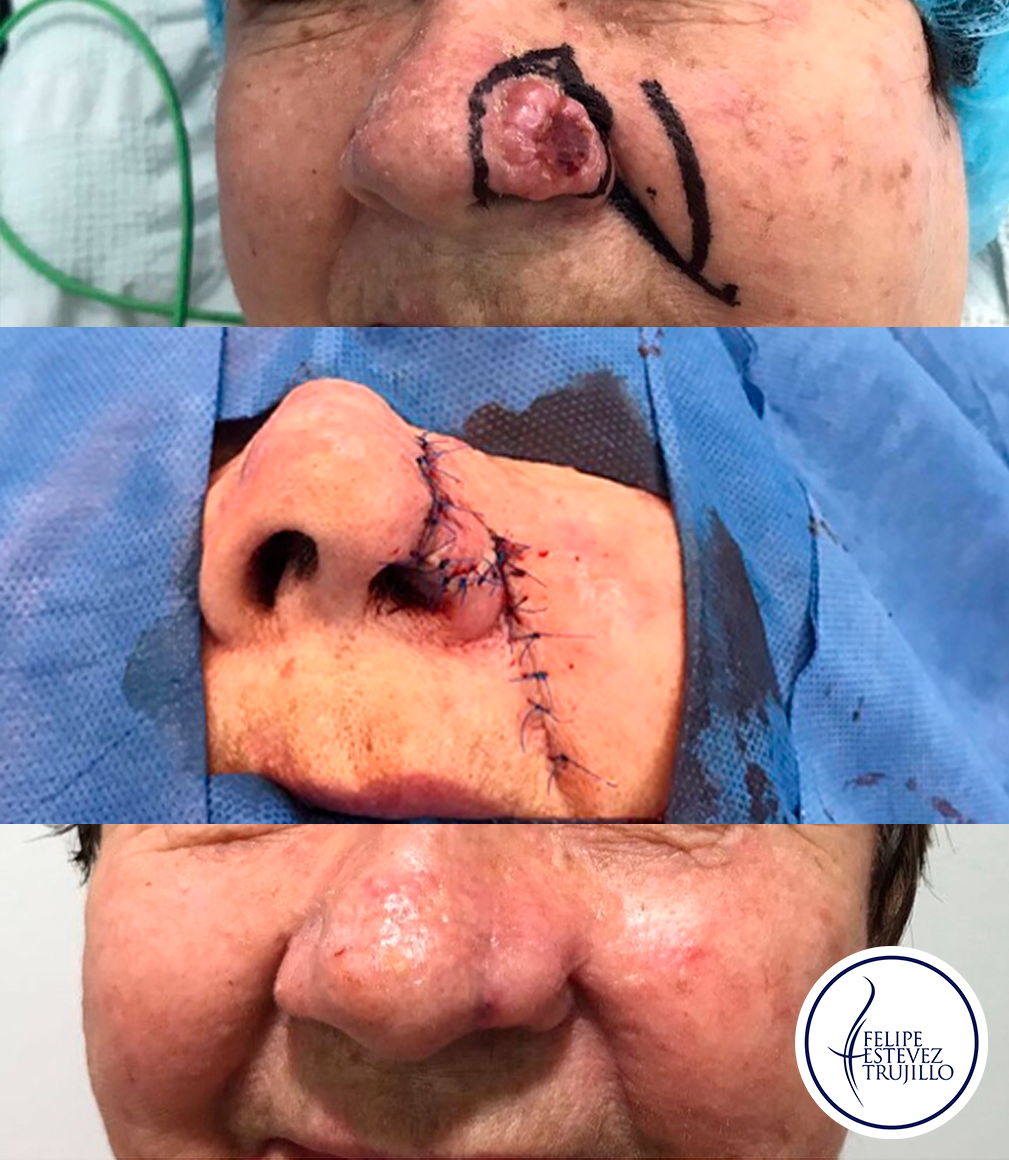
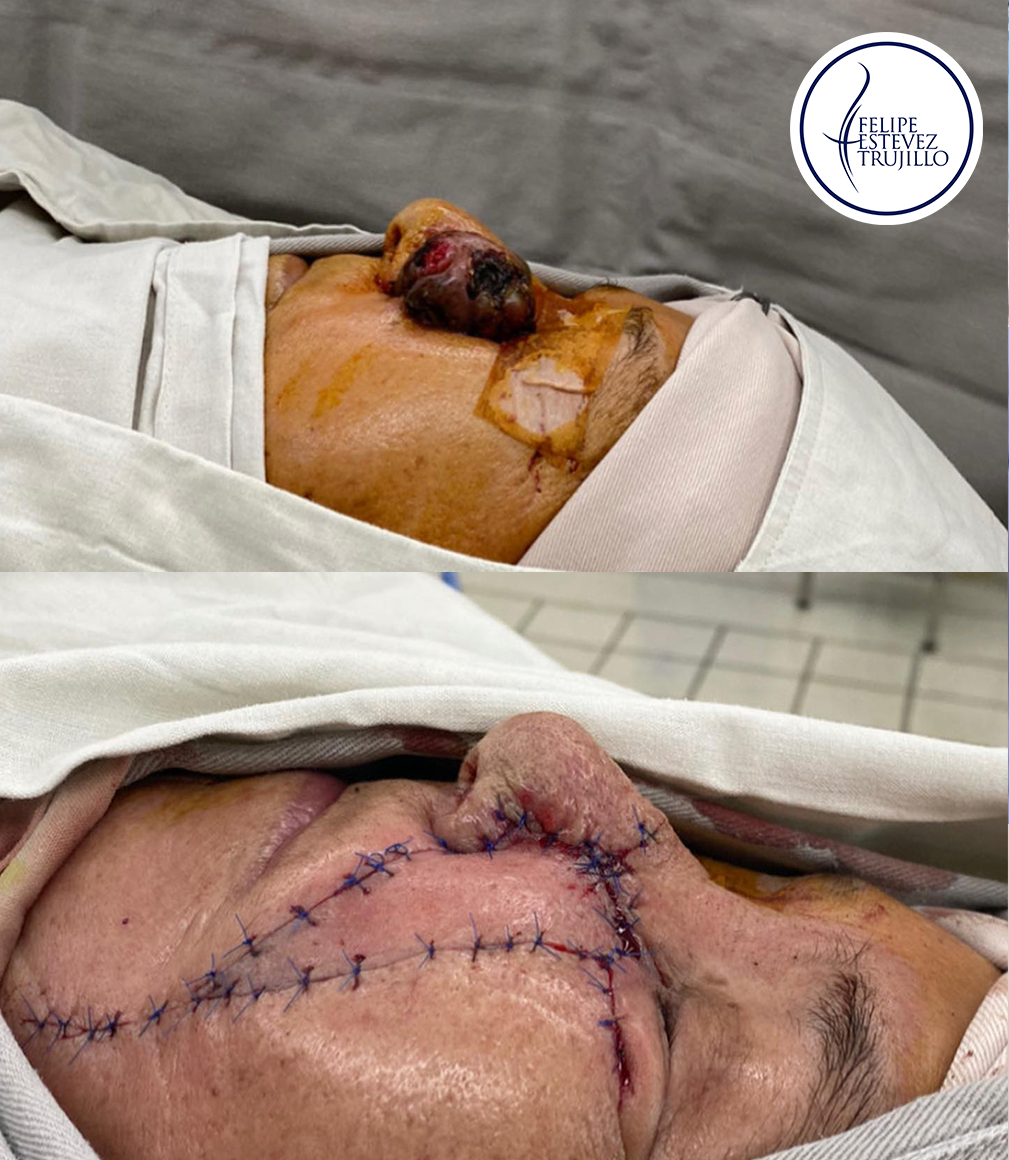
The ideal therapy for skin cancer is the surgical removal (excision) of the lesion. This is why it’s crucial to perform the procedure in the early stages, when the lesion is still small. Ideally, surgery should take place when the lesion measures less than one centimeter in diameter, helping to prevent complications and local recurrence of the cancer.
Because these surgical procedures can sometimes result in aesthetic concerns or scarring, it is essential that the intervention be performed by a specialist in plastic surgery to ensure the best possible functional and cosmetic outcome.
Recovery from this type of procedure is generally simple, with minimal pain and few complications. Pain is usually managed with oral analgesics, and if deemed necessary, the specialist may also recommend oral antibiotics.
If the intervention involves the use of stitches or sutures that require removal, these are typically taken out about one week after the procedure. It is highly recommended to attend all follow-up appointments as indicated by your treating physician to ensure proper healing.
The ideal therapy for skin cancer is the surgical removal (excision) of the lesion. This is why it’s crucial to perform the procedure in the early stages, when the lesion is still small. Ideally, surgery should take place when the lesion measures less than one centimeter in diameter, helping to prevent complications and local recurrence of the cancer.
Because these surgical procedures can sometimes result in aesthetic concerns or scarring, it is essential that the intervention be performed by a specialist in plastic surgery to ensure the best possible functional and cosmetic outcome.
Recovery from this type of procedure is generally simple, with minimal pain and few complications. Pain is usually managed with oral analgesics, and if deemed necessary, the specialist may also recommend oral antibiotics.
If the intervention involves the use of stitches or sutures that require removal, these are typically taken out about one week after the procedure. It is highly recommended to attend all follow-up appointments as indicated by your treating physician to ensure proper healing.