PLASTIC SURGEON | FELIPE ESTEVEZ M.D


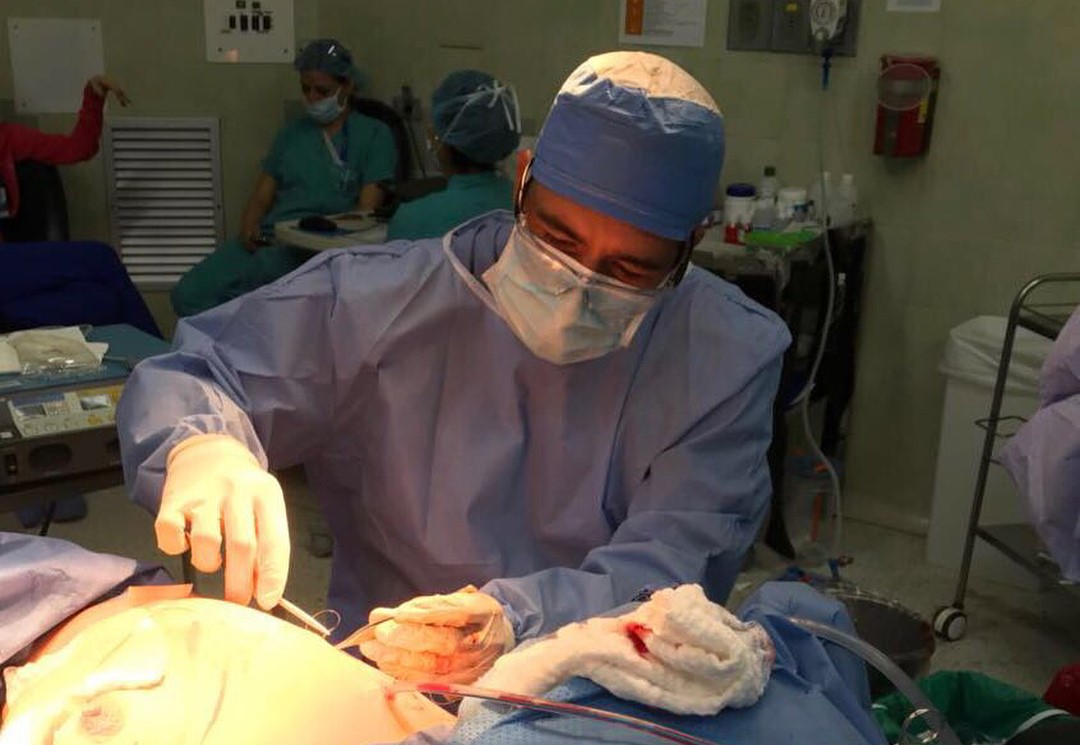
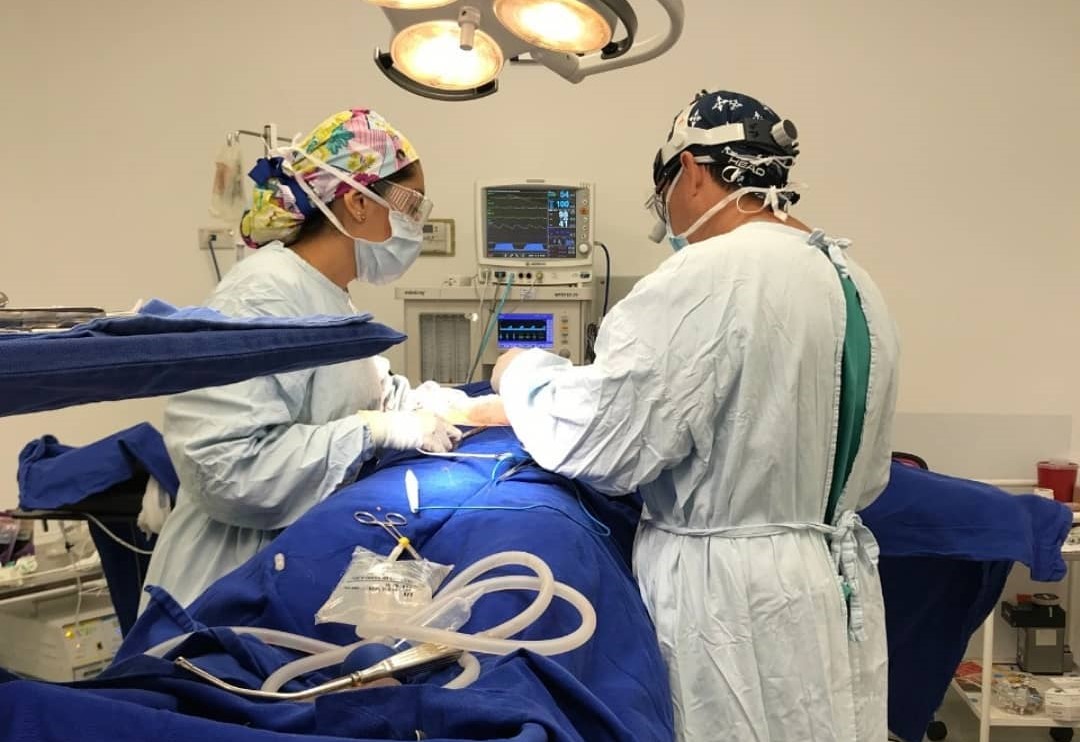
Breast cancer is the most common non-skin malignant tumor, affecting approximately one in ten women. The main therapeutic approach for this condition continues to be surgical treatment, either through a radical mastectomy or breast-conserving surgery.
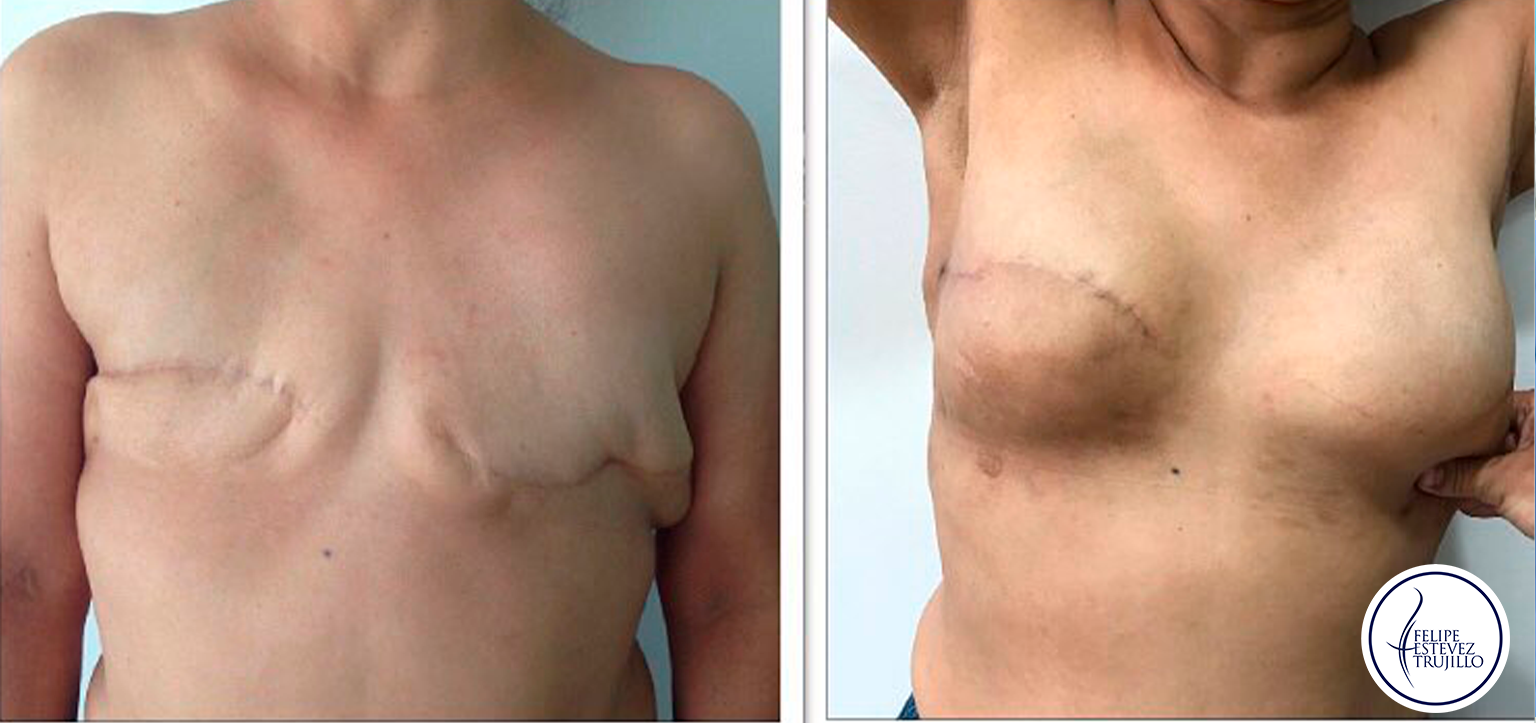
Both of these options, however, often result in significant breast asymmetry, which can impact the patient’s physical appearance and emotional well-being.
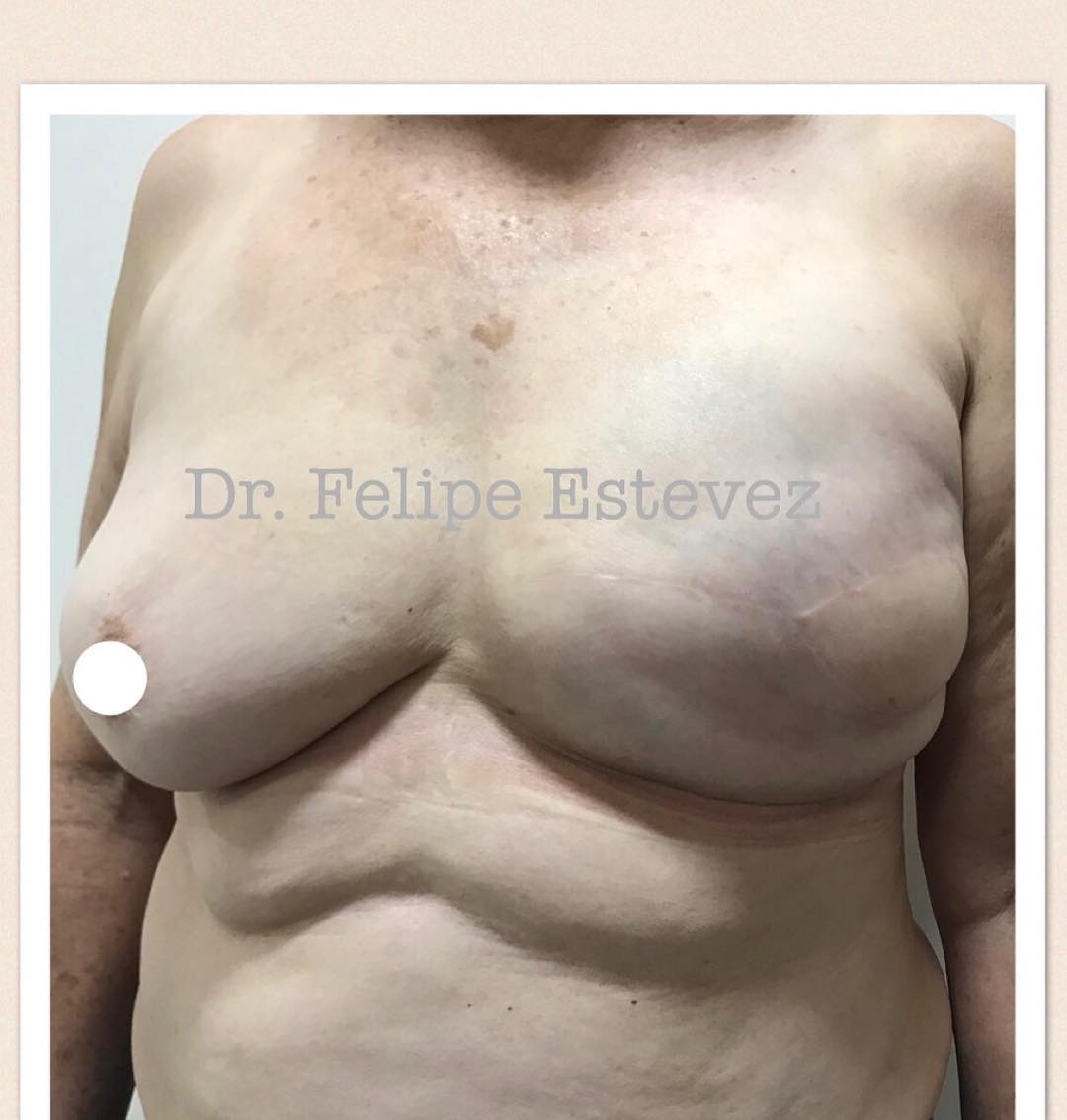
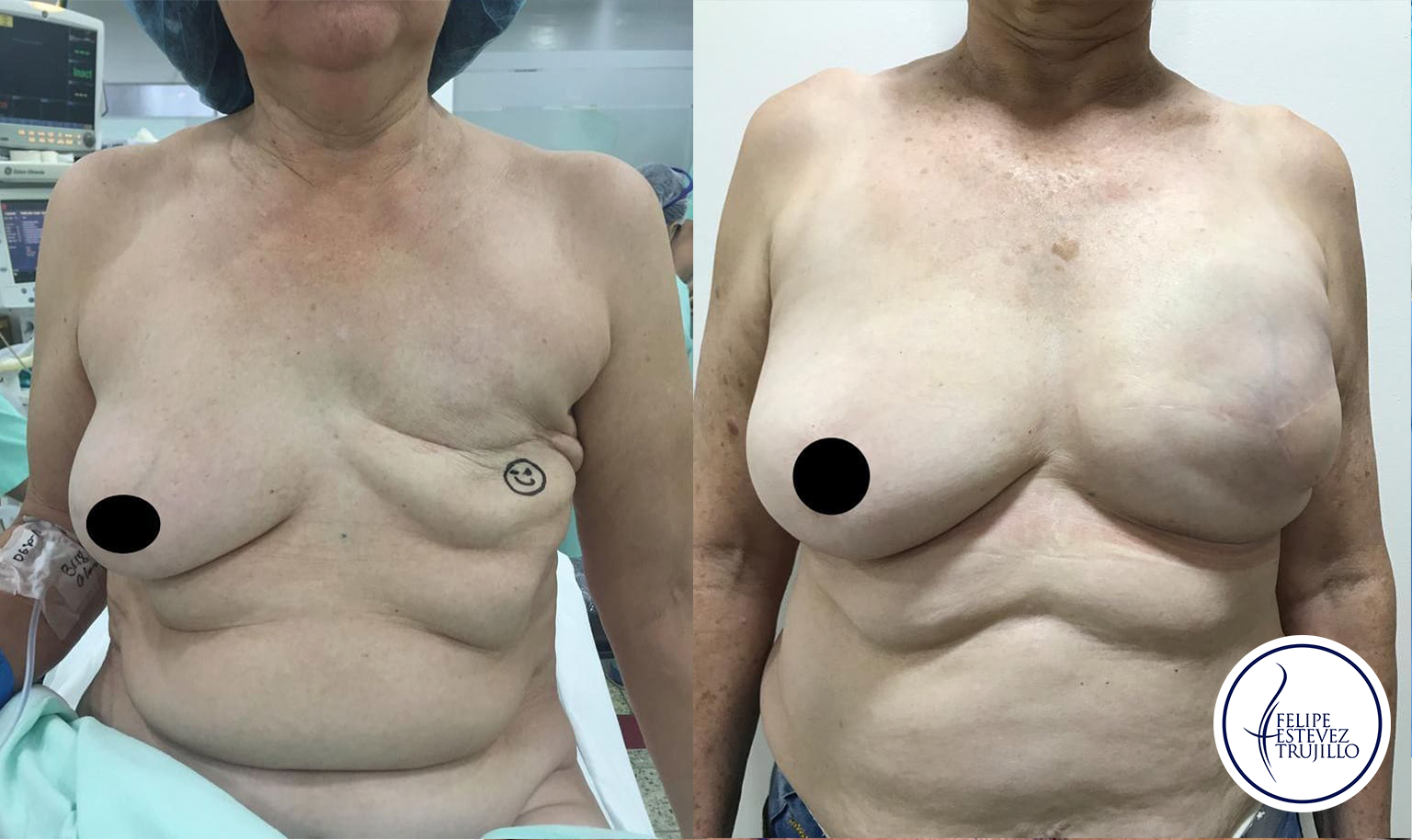
The reconstructive process can begin at the same time as the mastectomy (immediate reconstruction) or at any point afterward (delayed reconstruction).
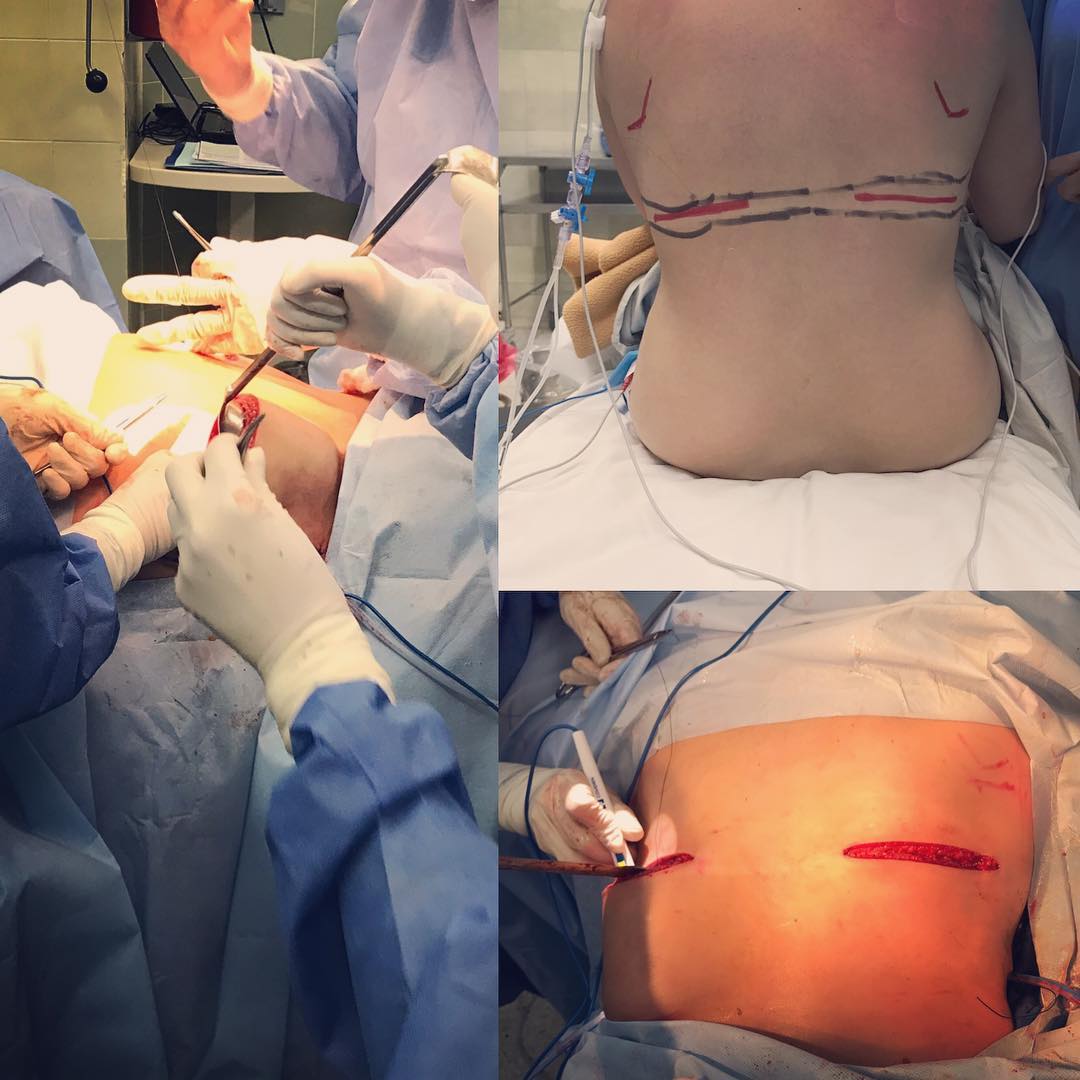
Breast reconstruction may be performed using a prosthesis (implant-based reconstruction), usually preceded by the use of a tissue expander; using the patient’s own tissues (autologous reconstruction); or a combination of autologous tissue and an implant, depending on each individual case.
After the surgery, the patient will need to remain at the clinic for 4 to 5 days. The first 48 hours are essential for proper monitoring and control of the reconstruction. It is crucial to have nursing staff specialized in microsurgical patient care, ensuring an appropriate and timely response to any unexpected event or possible complication.
Following the hospital stay, we recommend one week of relative rest at home, avoiding any physical exertion. After this period, light walking is encouraged, and daily activities can gradually be resumed — however, household chores should be avoided for at least three weeks. Maintaining good nutrition is also very important to promote faster healing and recovery.
The reconstructive process can begin at the same time as the mastectomy (immediate reconstruction) or at any point afterward (delayed reconstruction).
Breast reconstruction may be performed using a prosthesis (implant-based reconstruction), usually preceded by the use of a tissue expander; using the patient’s own tissues (autologous reconstruction); or a combination of autologous tissue and an implant, depending on each individual case.
After the surgery, the patient will need to remain at the clinic for 4 to 5 days. The first 48 hours are essential for proper monitoring and control of the reconstruction. It is crucial to have nursing staff specialized in microsurgical patient care, ensuring an appropriate and timely response to any unexpected event or possible complication.
Following the hospital stay, we recommend one week of relative rest at home, avoiding any physical exertion. After this period, light walking is encouraged, and daily activities can gradually be resumed — however, household chores should be avoided for at least three weeks. Maintaining good nutrition is also very important to promote faster healing and recovery.