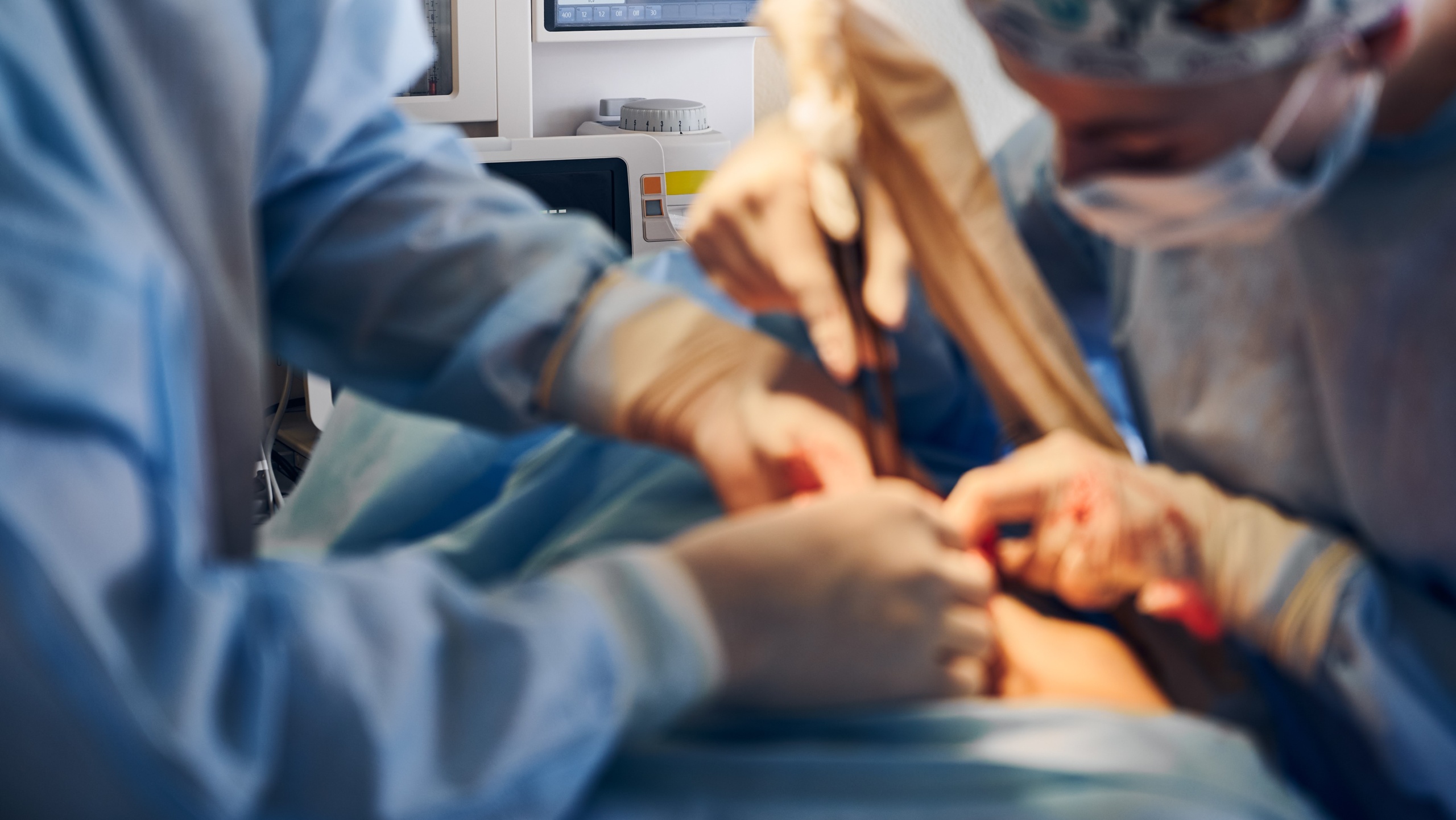
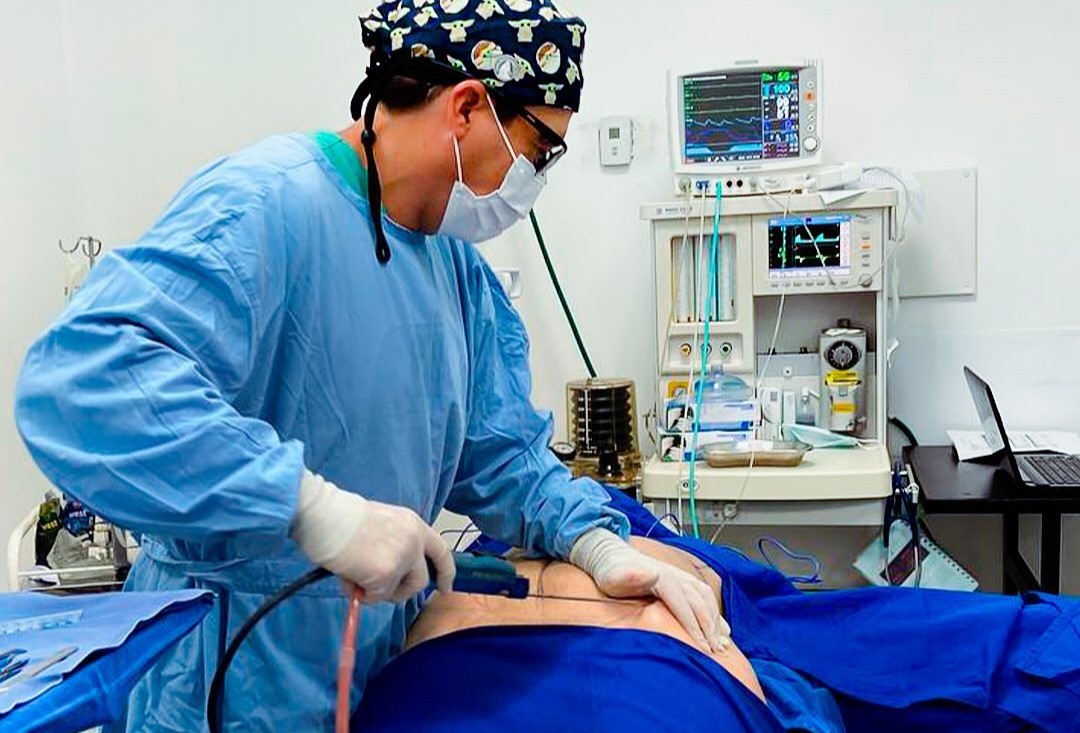
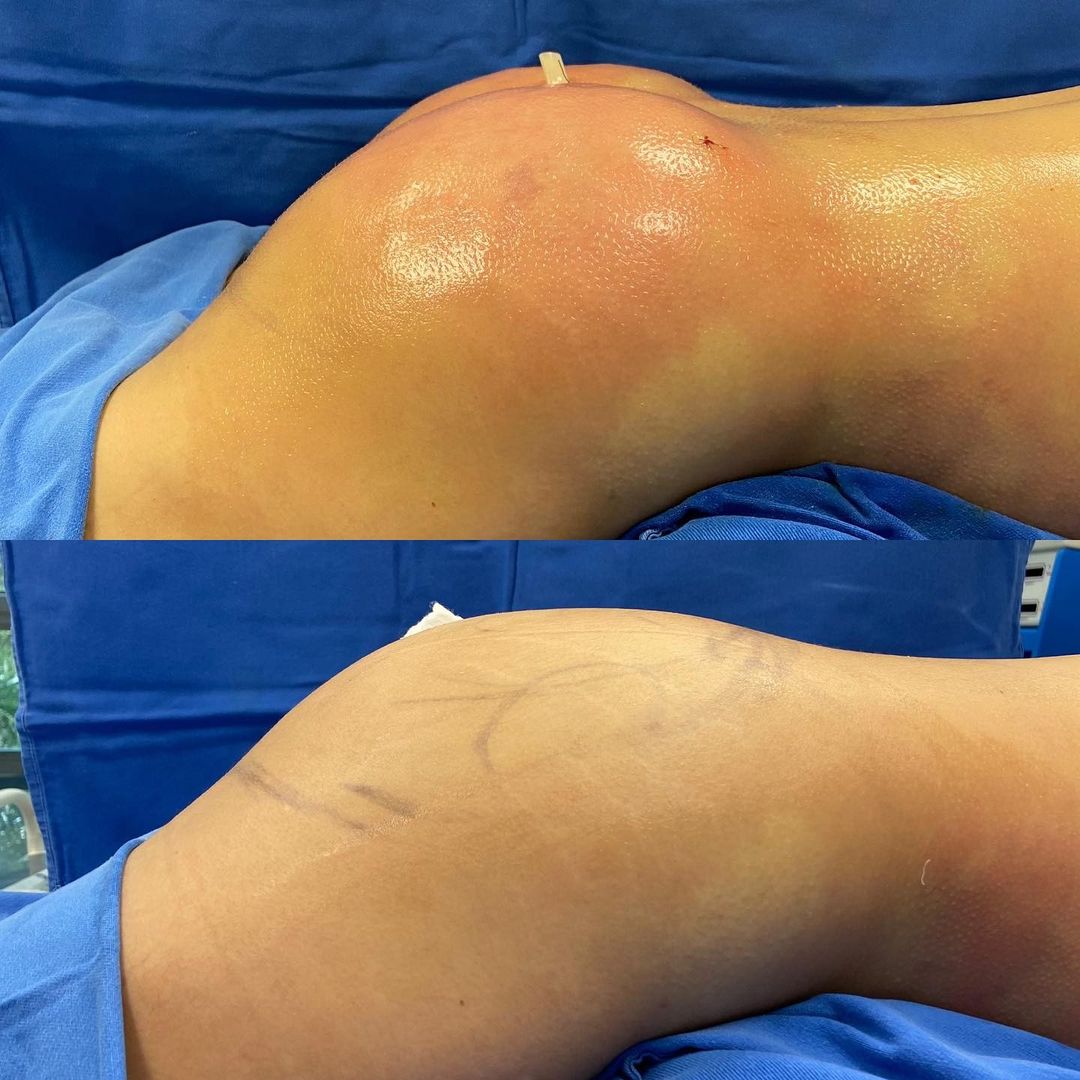
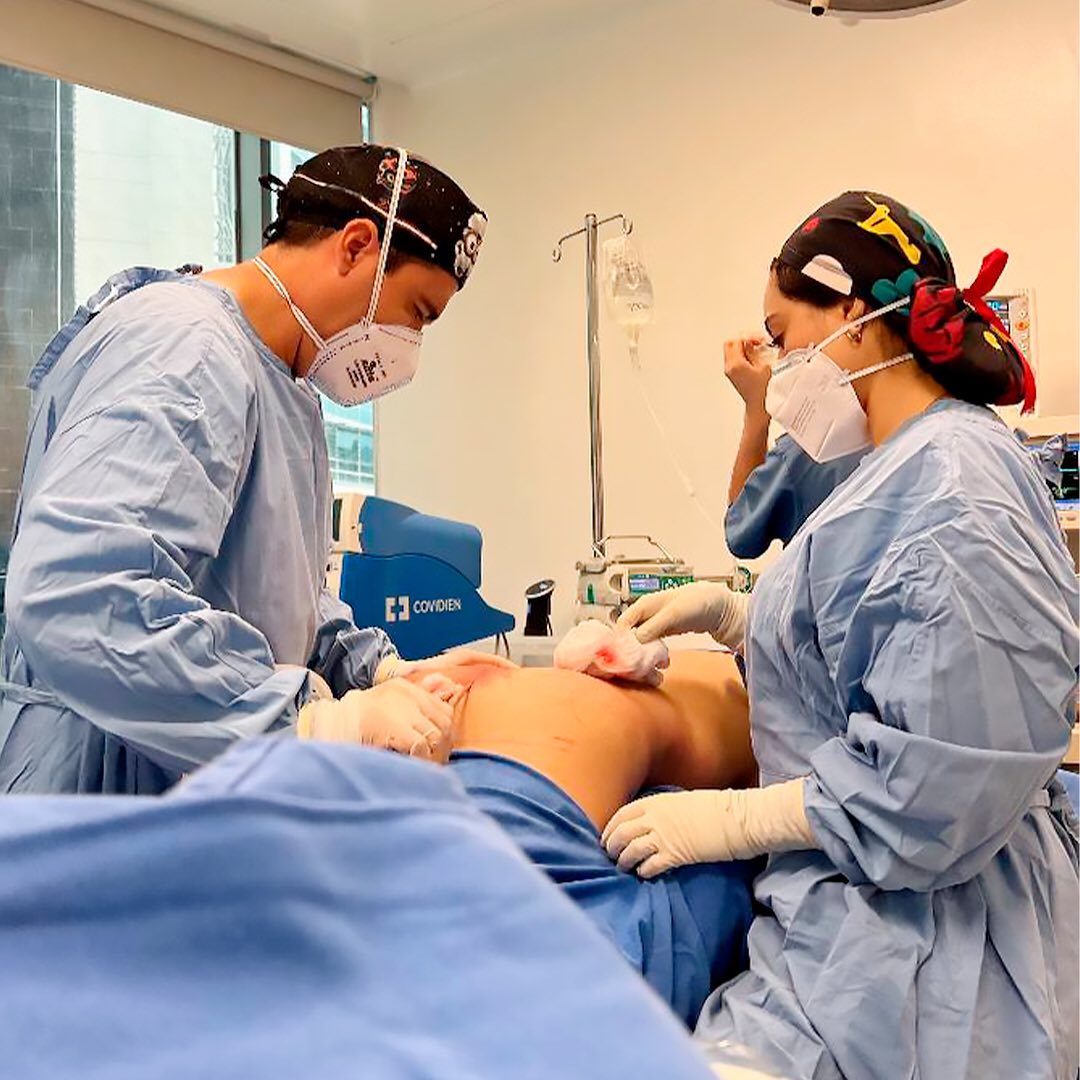
Fat Transfer, also known as Gluteal Lipoinjection, is a plastic surgery procedure designed to enhance the shape and projection of the buttocks, achieving a more balanced and harmonious figure.
This is the most commonly used technique. It involves harvesting fat from the patient’s own body- typically from the abdominal area, back, or thighs- and injecting it strategically into the buttocks to enhance and harmonize their contour. It’s important to note that approximately 30% of the transferred fat is naturally reabsorbed by the body; this percentage may vary depending on each patient’s individual characteristics.
Depending on the case, a patient may be a candidate for one specific procedure or a combination of techniques. This largely depends on anatomy, expectations, and the amount of available fat.
It’s essential to emphasize that only the patient’s own fat should be used. The use of any synthetic fillers-such as hyaluronic acid, expanding cells, or other foreign substances-is strictly prohibited, as these can cause serious complications and long-term damage.
Recovery and Aftercare
Most patients remain under medical observation for the first 24 hours after surgery. The following day, they are discharged with clear recovery guidelines and their prescribed medications. Stitches are removed approximately two weeks later.
Discomfort is mild and easily controlled. To achieve the best results, it’s essential to sleep face down for the first week, avoid sitting for extended periods, and wait at least six weeks before returning to physical activity.
This technique uses the patient’s own fat -usually taken from the abdomen, back, or thighs- and injects it into the buttocks to enhance shape. About 30% of the fat is naturally reabsorbed. Candidacy depends on anatomy, expectations, and available fat. Only the patient’s own fat is safe; synthetic fillers are strictly prohibited due to health risks.
Recovery and Aftercare
Most patients remain under medical observation for the first 24 hours after surgery. The following day, they are discharged with clear recovery guidelines and their prescribed medications. Stitches are removed approximately two weeks later.
Discomfort is mild and easily controlled. To achieve the best results, it’s essential to sleep face down for the first week, avoid sitting for extended periods, and wait at least six weeks before returning to physical activity.