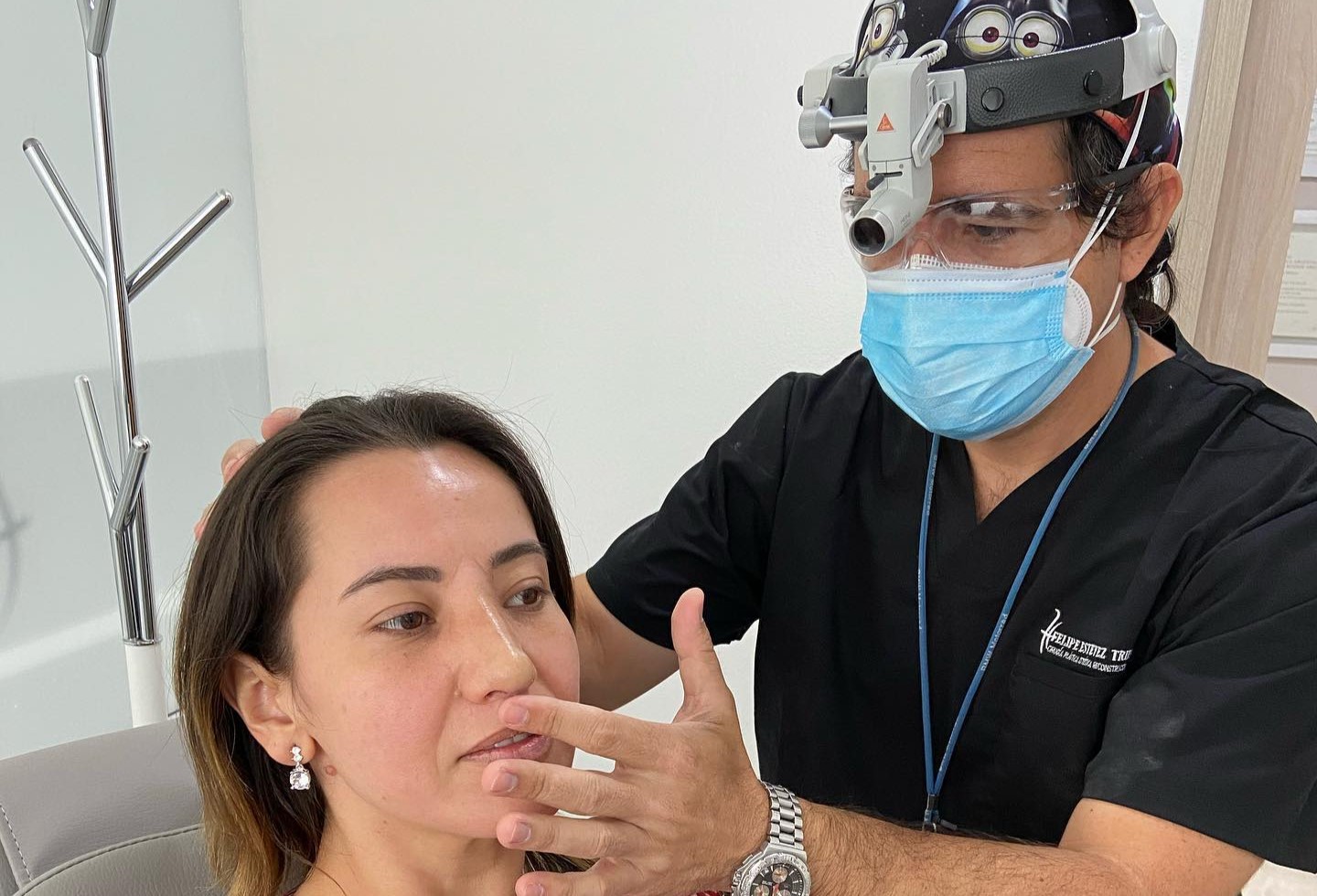
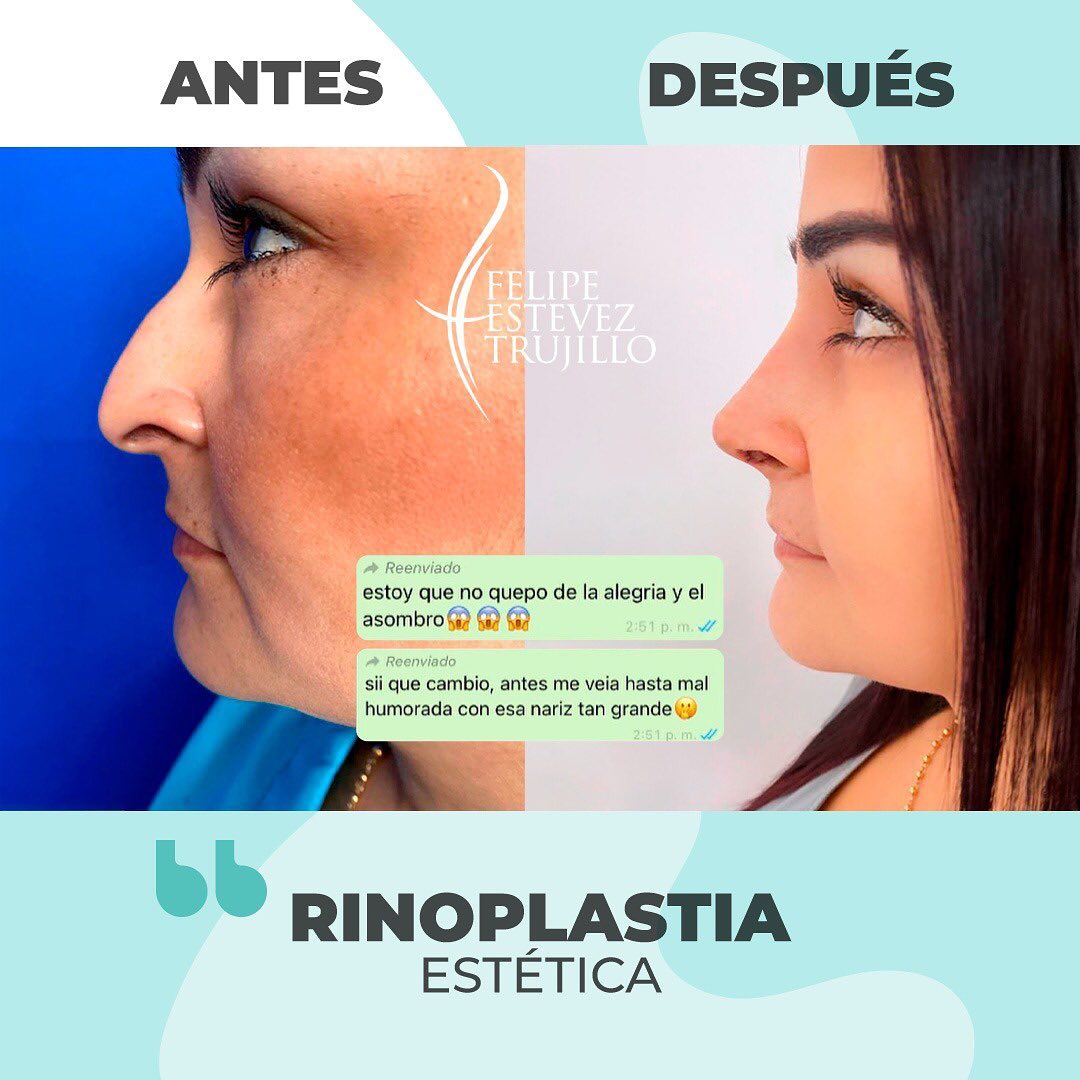
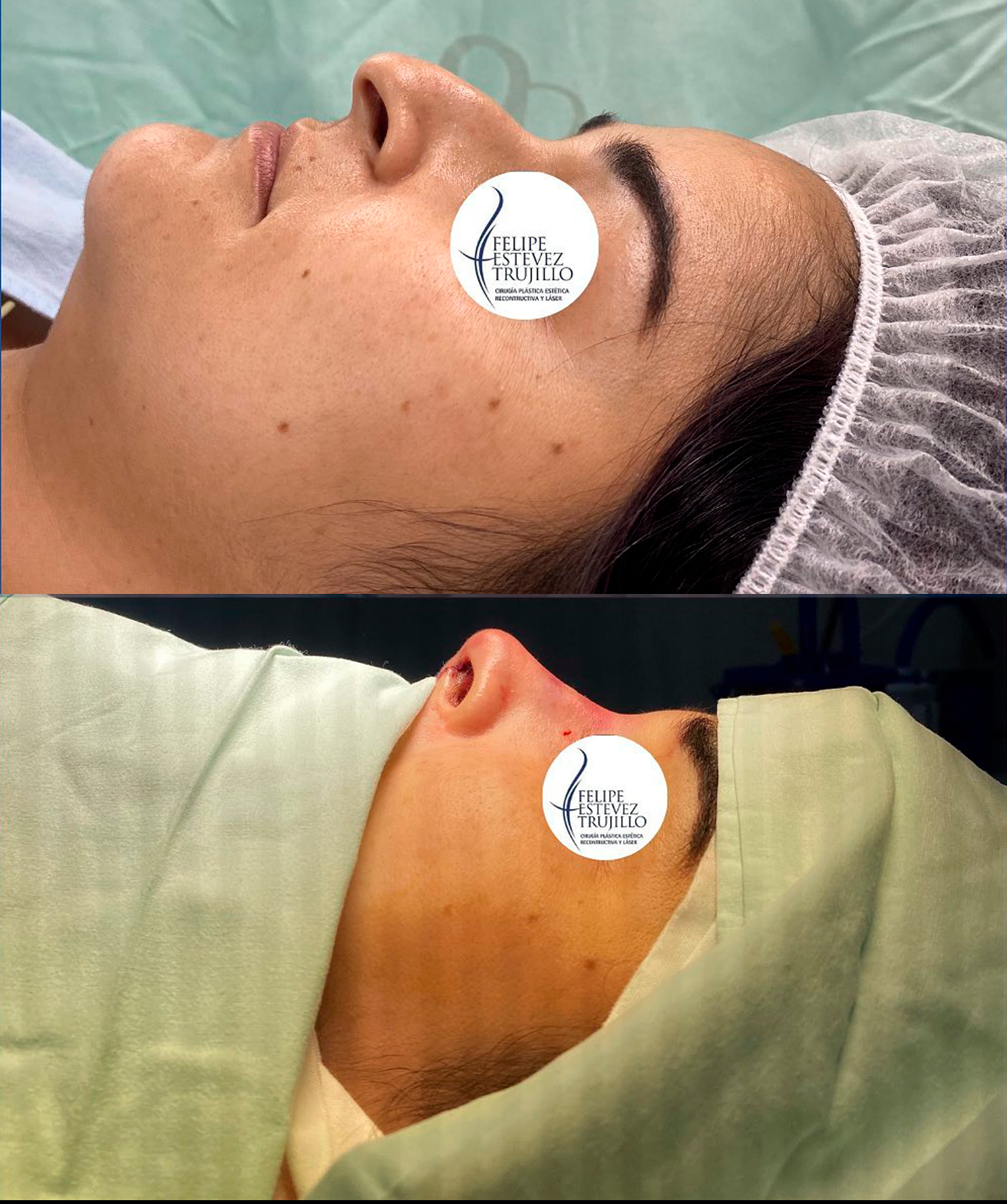
The ideal nose is one that maintains artistic balance and harmony with the rest of the face. To achieve this, it is essential to evaluate each patient as a whole-considering not only their facial structure, height, and weight, but also their ethnic characteristics.
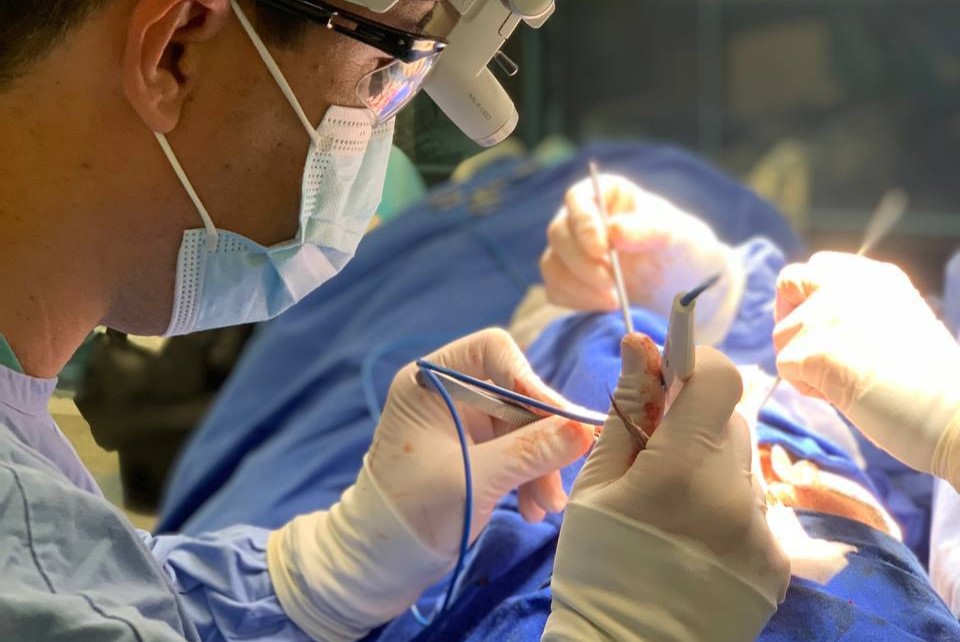
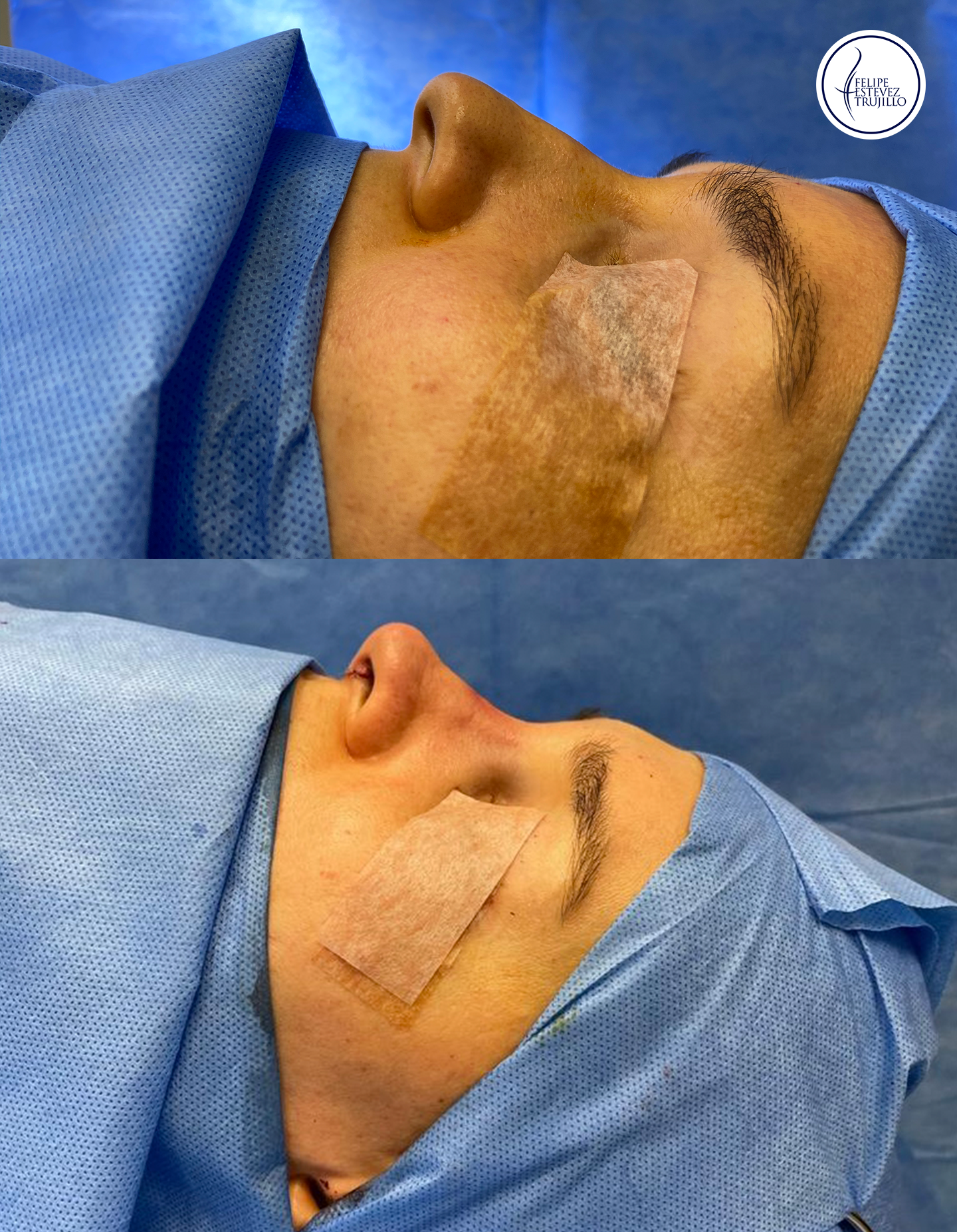
Rhinoplasty can reshape or resize the nose to enhance facial balance. It can reduce or increase overall size, straighten a crooked nose, refine the bridge or tip, narrow the nostrils, or adjust the angle between the nose and the upper lip.
In addition to aesthetic improvements, rhinoplasty can also help patients who require nasal reconstruction to improve breathing function.
Recovery and Aftercare
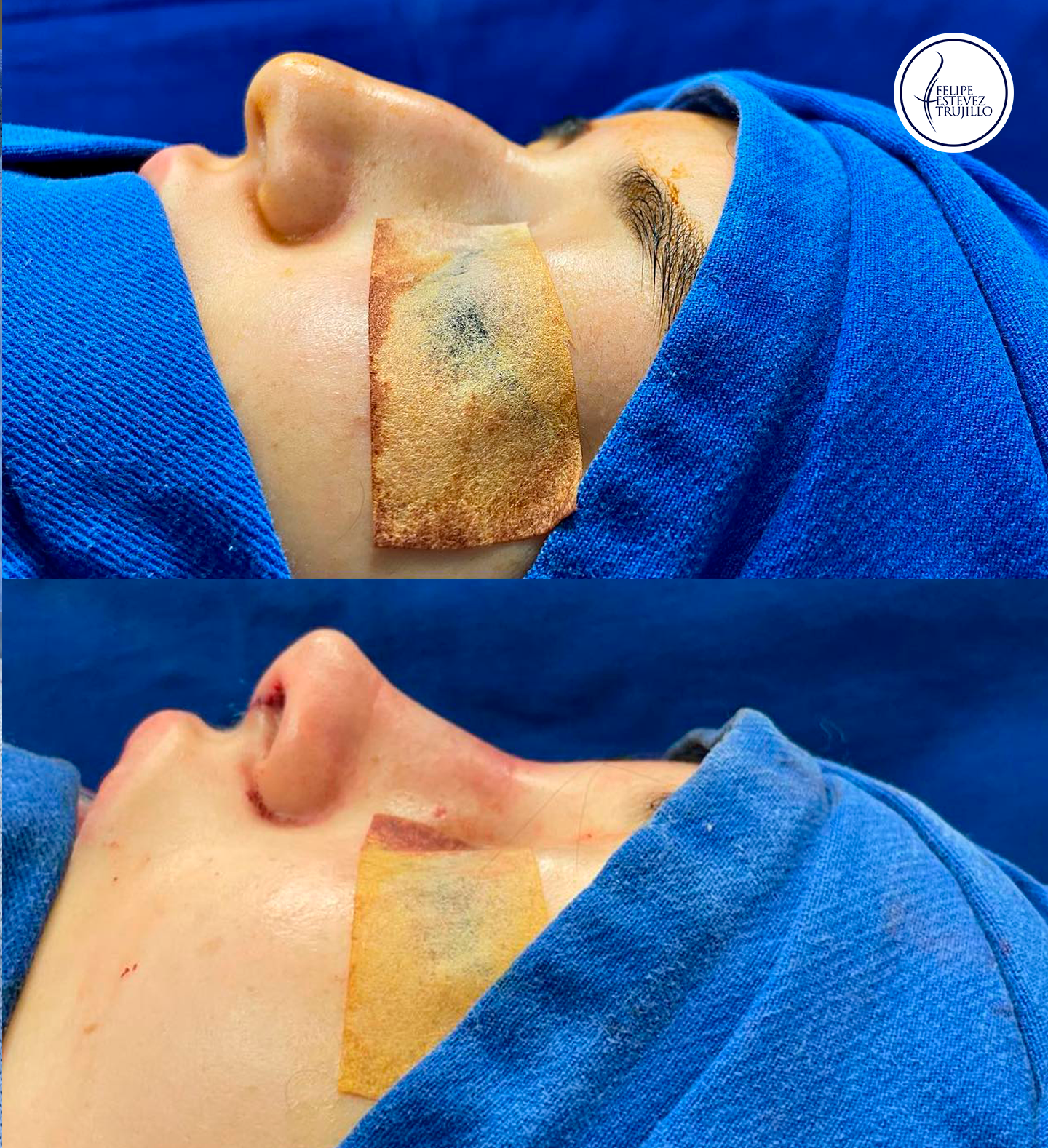
After surgery, patients typically wear a silicone internal splint and an external plaster splint for about one week. The recovery period is generally not painful, although mild swelling and bruising around the eyes are common and gradually subside within the first two weeks.
A slight swelling of the nasal skin may persist for a few additional weeks, but most patients are able to return to normal activities within one to two weeks after surgery.
Rhinoplasty can reshape or resize the nose to enhance facial balance. It can reduce or increase overall size, straighten a crooked nose, refine the bridge or tip, narrow the nostrils, or adjust the angle between the nose and the upper lip.
In addition to aesthetic improvements, rhinoplasty can also help patients who require nasal reconstruction to improve breathing function.
Recovery and Aftercare
After surgery, patients typically wear a silicone internal splint and an external plaster splint for about one week. The recovery period is generally not painful, although mild swelling and bruising around the eyes are common and gradually subside within the first two weeks.
A slight swelling of the nasal skin may persist for a few additional weeks, but most patients are able to return to normal activities within one to two weeks after surgery.